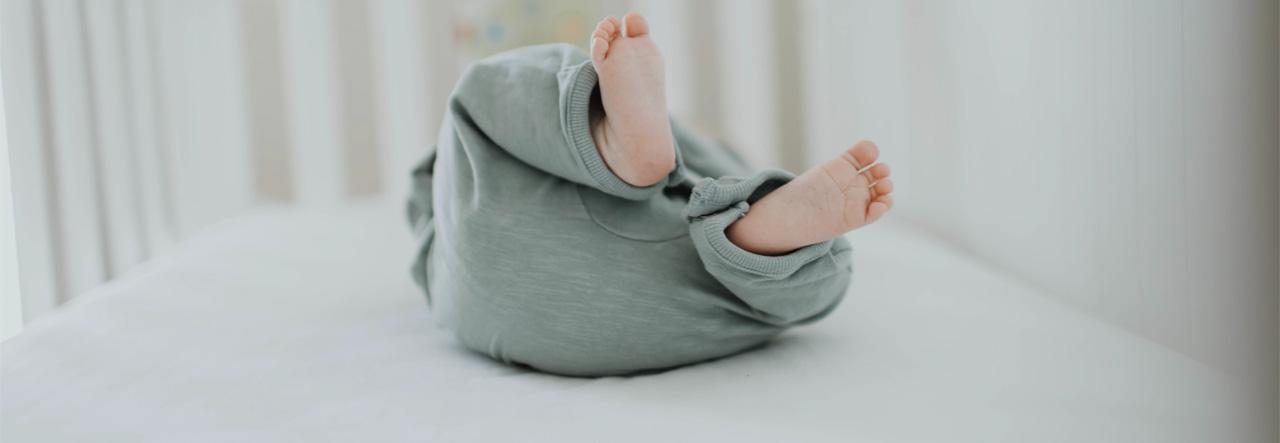
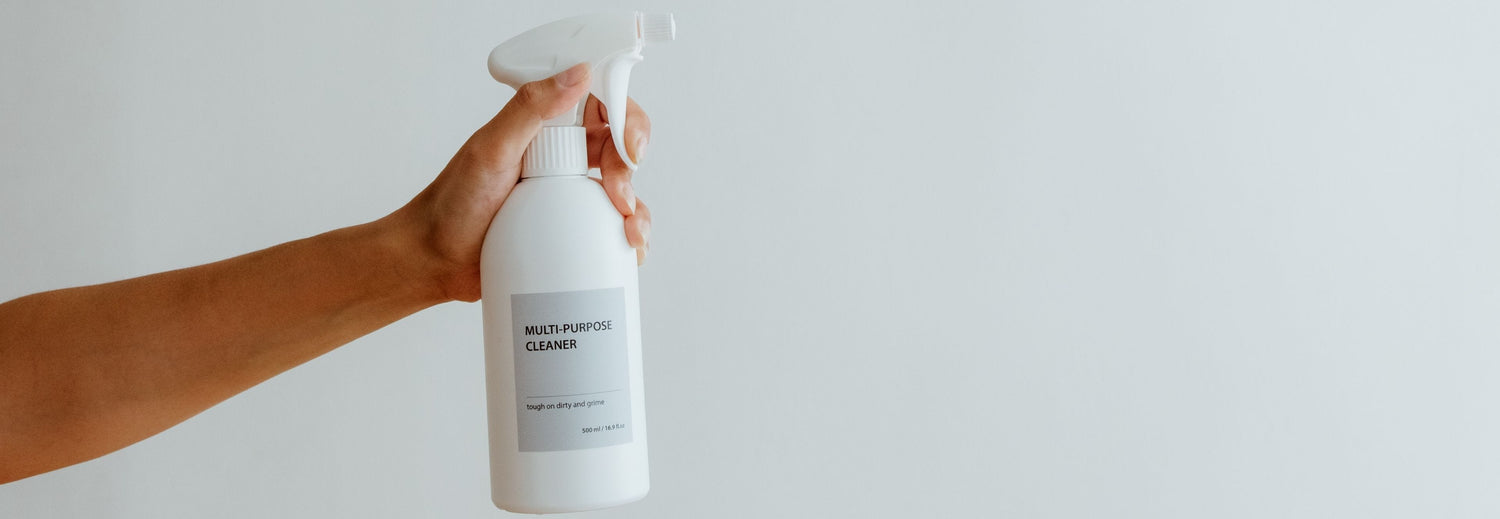
Tiny moments add up in a nursery: tummy time, story time, nap time. That’s why the products you use to clean the space matter. By limiting harsh chemicals and synthetic fragrances, you can create a safer, healthier room for Baby to sleep, dream and grow.
This guide focuses on natural cleaning products, breathable materials and straightforward non-toxic home cleaning habits – the same kind of mindful choices Naturepedic champions for healthier indoor living. Take a look!
Why Choose Natural Cleaning Methods for the Nursery?
Because Baby’s immune system is still developing and they’re extra sensitive to toxins, it’s important to be mindful of what they’re exposed to. This is especially important when it comes to cleaning products, because their nursery should be kept tidy and clean – without the addition of potentially toxic chemicals.

Many conventional cleaners can introduce environmental risks like volatile organic compounds (VOCs), artificial fragrances and residues that remain on surfaces after you’re done wiping. Switching to formulas featuring natural ingredients, no added fragrances or a water base helps you clean while making safer choices for your child.
Natural Cleaning Essentials to Have on Hand
A few simple ingredients (that you probably already have in your cupboard!) are all you need for most tasks. Keep white vinegar for everyday wipe-downs and deodorizing, baking soda for gentle scrubbing and odor control and castile soap for versatile, plant-based washing.
As far as materials go, simple microfiber cloths handle dusting and damp wiping all on their own – and without streaks. Plus, a vacuum with a HEPA filter helps capture fine particles on floors and rugs.
If you prefer a bit of scent in your cleaning products, you can mix in a few drops of baby-safe essential oils. Lavender is a great option, but don’t apply essential oils directly to surfaces or fabrics. With these basics, non-toxic home cleaning stays straightforward, reliable and better for Baby.
Cleaning Common Nursery Areas the Natural Way
Before we dive into how to clean specific areas, start by setting a simple rhythm for the room. Work from the highest surfaces down to the floor so dust doesn’t drift onto areas you’ve already cleaned. Keep your microfiber cloth just slightly damp (not wet) to lift particles without streaks, and spot-test anything new with a spot test in a discreet area.

Crib and Mattress
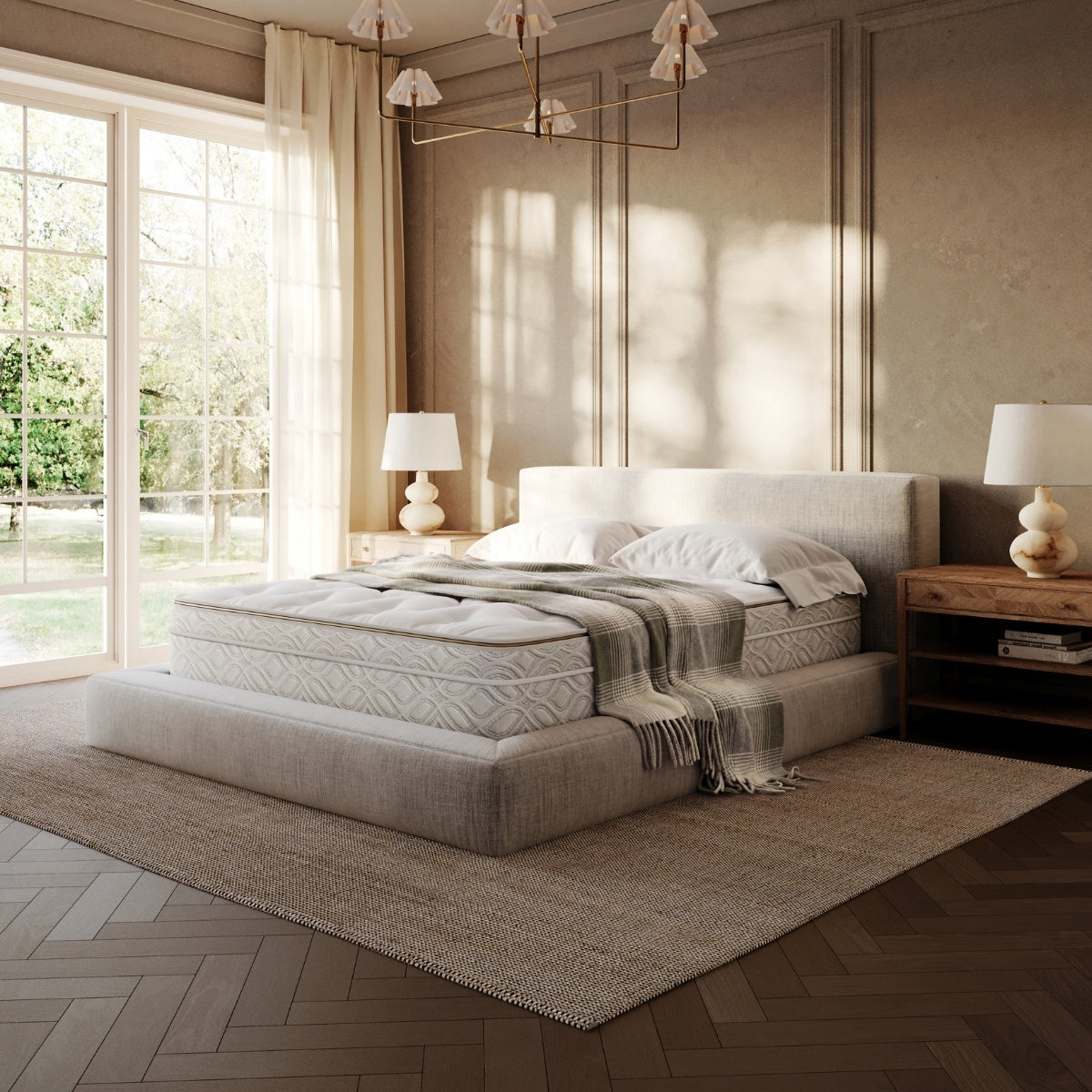
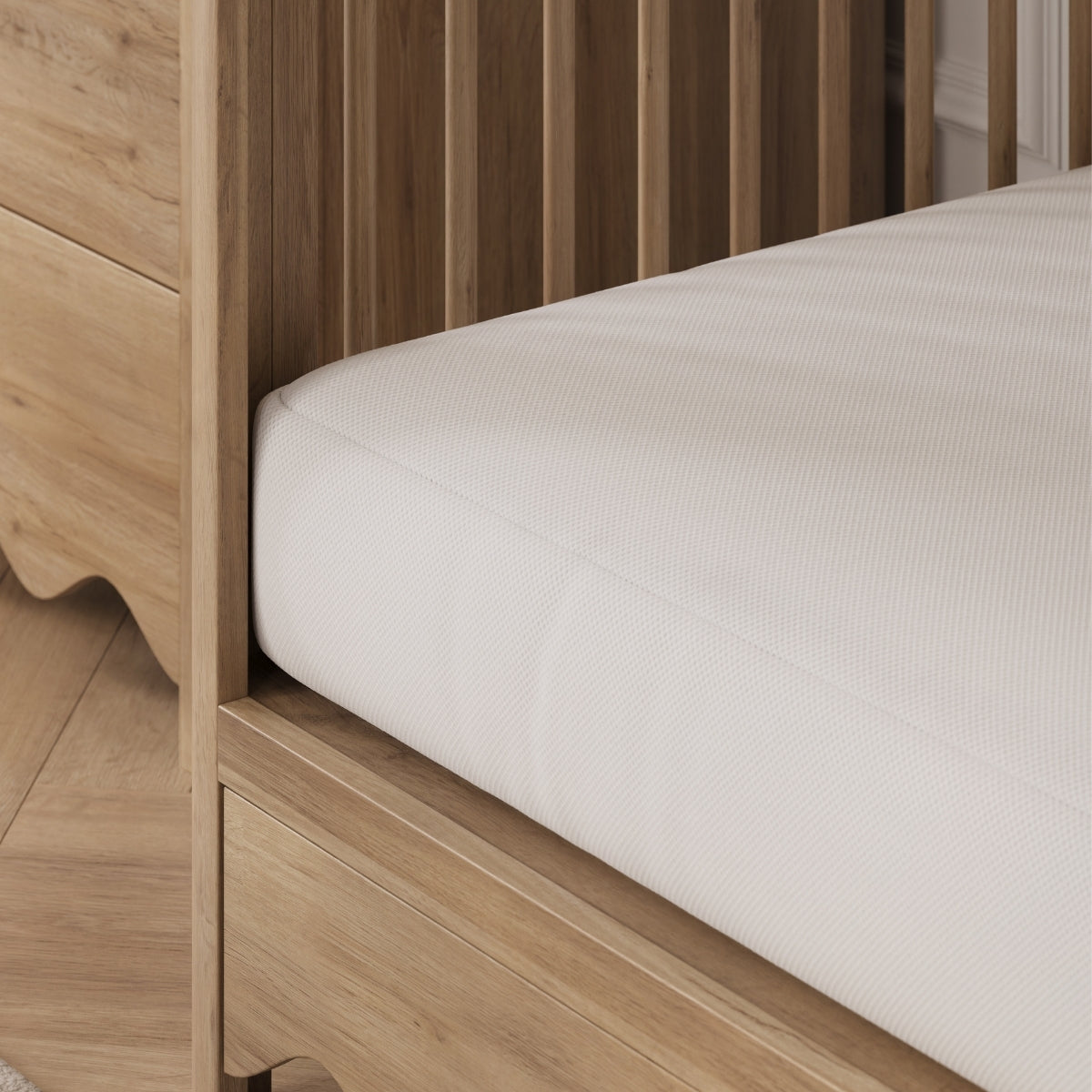
Dust crib rails and slats with a dry microfiber cloth, then vacuum the mattress surface using an upholstery attachment to pick up fine particles. If you use a waterproof mattress or protector, simply wipe with a damp cloth and air dry before adding a crib sheet, and you’re good to go!
TIP: Not using a waterproof crib mattress? For small messes and stains, you can mix warm water with a drop of castile soap and blot the area. Avoid soaking it and allow it to air dry completely before remaking the bed, as non-waterproof crib mattresses can easily become a hot spot for mold.
Changing Table and Dresser
For sealed, non-porous surfaces like changing tables and dressers, wipe them down with a 50/50 mixture of white vinegar and water. Antibacterial sprays aren’t needed for routine care. When extra disinfecting feels needed, use a properly diluted hydrogen peroxide solution as directed on the label, and let the surface air dry.
Toys and Teethers
Hard toys clean up well with a soak in warm water and a splash of vinegar followed by a thorough rinse and dry. Fabric toys can go in the washing machine with a gentle, fragrance-free detergent and then air dry when possible to keep them feeling fresh. Simple and straightforward!
Floors and Rugs
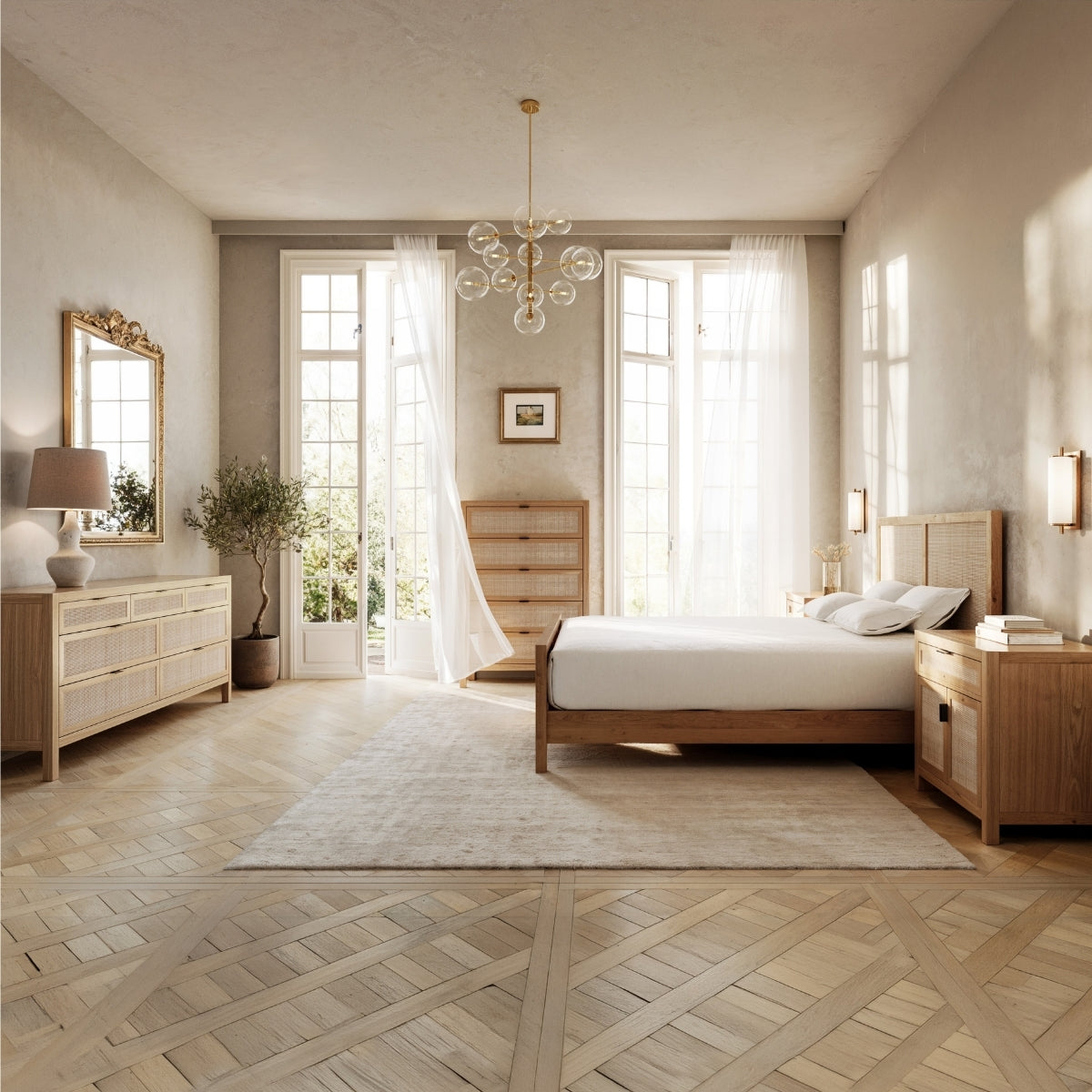
A HEPA-filter vacuum sweeps up dirt and debris from carpet and rugs while keeping dust and allergens inside thanks to the filter. For hard floors, mop with a simple vinegar-and-water solution or a gentle, plant-based cleaner suitable for your specific flooring.
TIP: Skip the expensive, overly fragrant synthetic carpet deodorizers and use something you already have in your kitchen! Sprinkle baking soda on the floor, let it sit for 15-30 minutes, vacuum it up and you’re all done.
Curtains, Bedding and Soft Surfaces
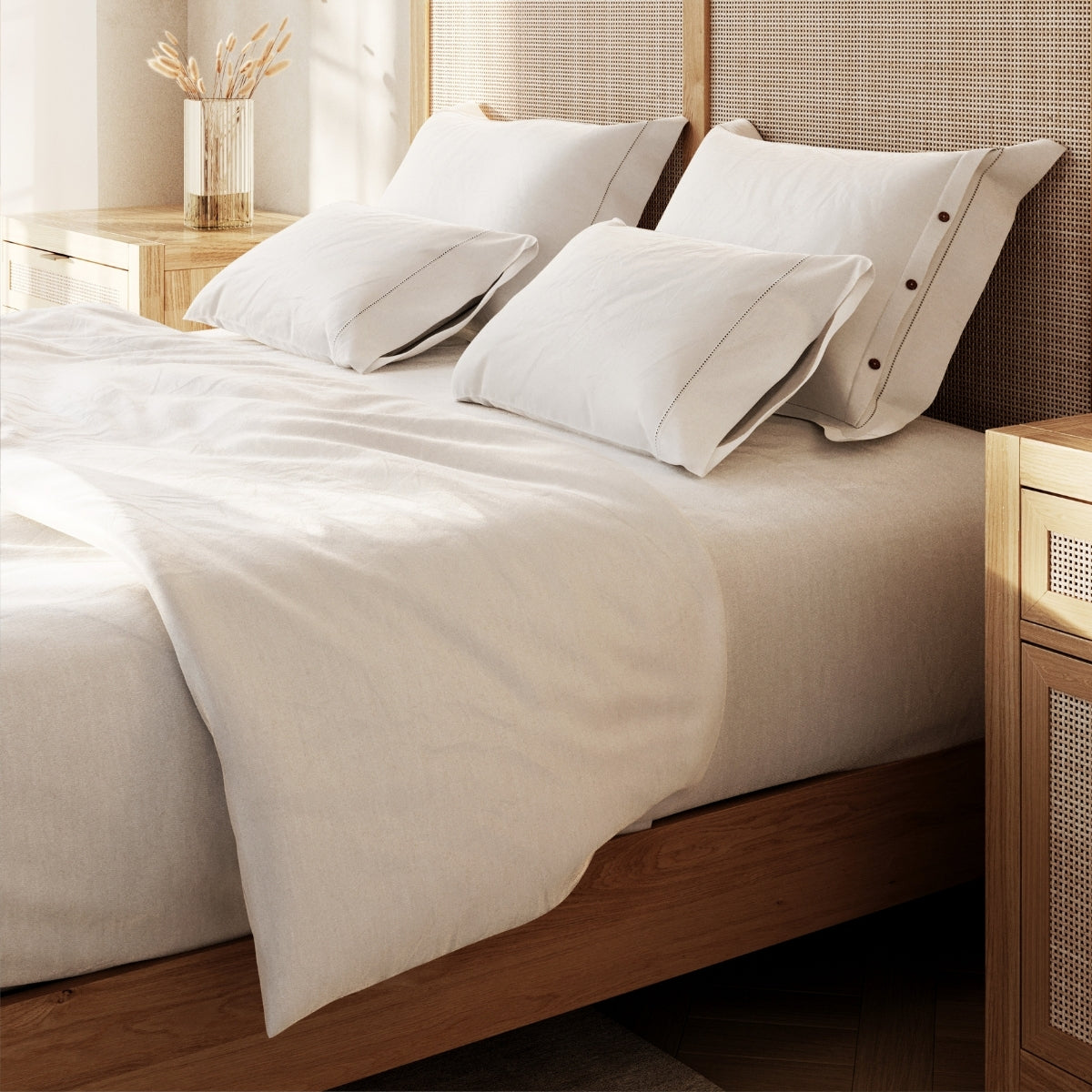
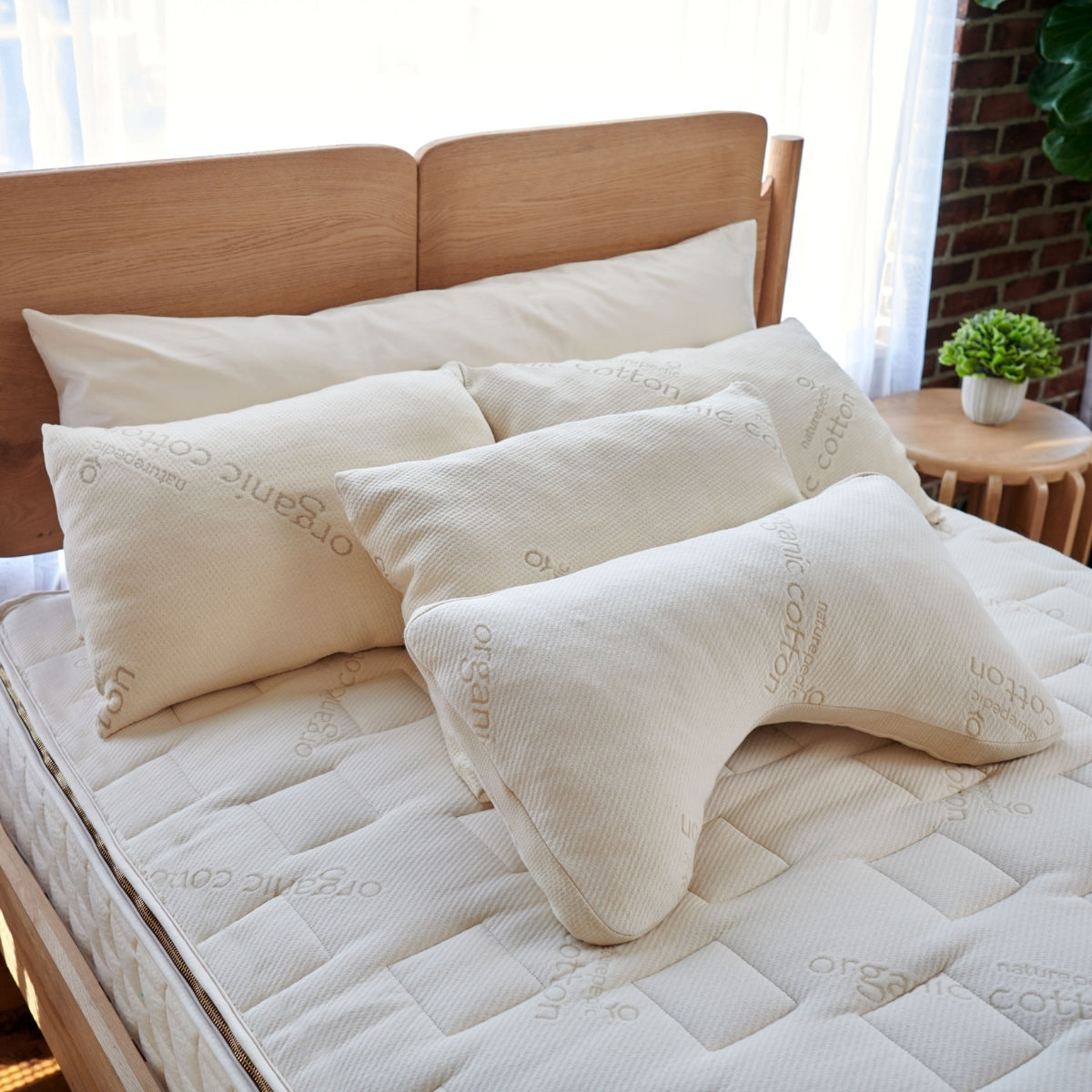
Wash Baby’s sheets and other linen items in hot water using a fragrance-free detergent, following fabric care instructions. Air drying outside adds a fresh feel (and is a sustainable choice!) when the weather cooperates. Fabric softeners and dryer sheets can leave residues on fibers, so it’s better to skip them for nursery fabrics. If you’re machine drying, use a wool dryer ball to help increase airflow, soften clothes and reduce wrinkles and static cling.
Don’t Forget the Air Quality
Open windows when weather allows to refresh the room and move stale air out to improve the air quality. An air purifier with a HEPA filter can help manage airborne particles between deeper cleans. Synthetic air fresheners aren’t necessary, but if you enjoy scent, limit it to brief, occasional diffusion of lavender in baby-safe amounts. This approach fits neatly within non-toxic cleaning practices and keeps the focus on fresh air first instead of masking air in chemicals or strong fragrances.
How Often Should You Clean the Nursery?
Consistency keeps things manageable and makes daily, weekly and monthly routines feel more natural and effortless.

A short daily rhythm including tidying surfaces, emptying the diaper pail, spot-cleaning spills and keeping air moving goes a long way. Then, once a week, plan a more complete refresh and vacuum floors and rugs, launder bedding and changing pad covers, wipe crib rails and furniture and mop hard floors. Finally, set aside time each month for a deeper clean to wash curtains and any other fabrics that don’t get the weekly clean, vacuum the mattress surface, dust vents and fan blades, clean baseboards and under furniture and check the air purifier’s filter.
Don’t worry about perfection – if you miss some daily cleanings or skip a monthly one, it’s totally fine! Life happens, but you’ll find time to get back into the routine again.
A Cleaner Nursery Means Peace of Mind
Small, mindful changes make a big difference and can create a healthier space for rest and play. Plus, natural cleaning often ends up being simpler, more sustainable and easier to maintain day to day. By leaning on natural cleaning products and building a steady routine of non-toxic cleaning, you can create a safer nursery for your little one.