



If your bedroom looks put together but still doesn’t feel truly restful, you’re not alone. Many of us have spent years optimizing our sleep spaces for style, storage or even productivity, while overlooking the one thing that matters most: how the room actually makes us feel when it is time to slow down. That’s where the concept of hygge comes in.
Have you heard of it? The Danish word (pronounced “hoo-gah”) is often translated as “cozy,” but that barely scratches the surface. Hygge refers more broadly to designing everyday spaces in a way that supports comfort, security and well-being. It is rooted in the idea that your surroundings should help you feel grounded and at ease, particularly during moments meant for rest and recovery. In Denmark, it is woven into daily life, from how people light their homes to how they gather, relax and wind down at the end of the day.
When you bring hygge into the bedroom, you shape your sleep environment so that it works with your body instead of against it. In this guide, we’ll explore what hygge actually means, why it pairs so naturally with better sleep and how you can apply its principles to create a bedroom that feels calmer, warmer and more inviting every single night.
What Is Hygge?
Hygge is a Danish word that doesn’t have a direct English translation, but it generally refers to a feeling of comfort, ease and contentment created by your surroundings – the soft glow of candlelight, the sound of rain on the window, the warmth of a cup of tea. Coziness, you might say.
The concept emerged in a country with long, dark winters, where people spend a significant amount of time indoors. Rather than fighting that reality, Danish culture leaned into it by designing homes and daily rituals that feel warm, calm and supportive. More than mere aesthetic choices, soft lighting, simple furnishings, natural materials and uncluttered rooms are practical ways of creating environments that help people recover from the day.
At its core, hygge is about reducing friction between your environment and your nervous system. When a room is too bright, too noisy, too synthetic or too visually busy, your body stays in a low-level state of alertness. Hygge aims to do the opposite by using light, texture and thoughtful design to make a space feel safe and settled, which is exactly the state your body needs in order to rest.
Why Hygge Belongs in the Bedroom
In a Naturepedic-commissioned study of 2,000 U.S. adults conducted by Talker Research, 76% of respondents said they get better quality sleep if they feel cozy beforehand. Seventy-five percent reported staying asleep longer, and 72% said they wake up feeling more refreshed after going to bed in a cozy state.

Your bedroom plays a direct role in how easily you fall asleep and how deeply you rest. Long before you close your eyes, your brain is already scanning the space for cues about safety, comfort and whether it is time to stay alert or wind down.
Hygge works because it aligns with how the body naturally prepares for rest. Warm, low lighting supports melatonin production. Soft, breathable textiles help regulate temperature and reduce physical discomfort. Simple, grounded spaces minimize visual noise, which allows your brain to shift out of problem-solving mode and into a calmer state. When you apply hygge to the bedroom, you are essentially creating an environment that reduces stimulation and increases a sense of ease.
6 Ways to Bring Hygge Into Your Bedroom
You don’t need a full renovation to create a hygge-inspired space – just a few thoughtful changes that make your room feel softer, warmer and more intentional.

Whether you’re starting with a blank canvas or simply refreshing what you have, these ideas will help you bring the essence of hygge home, one cozy layer at a time.
1. Start With Soft, Natural Layers
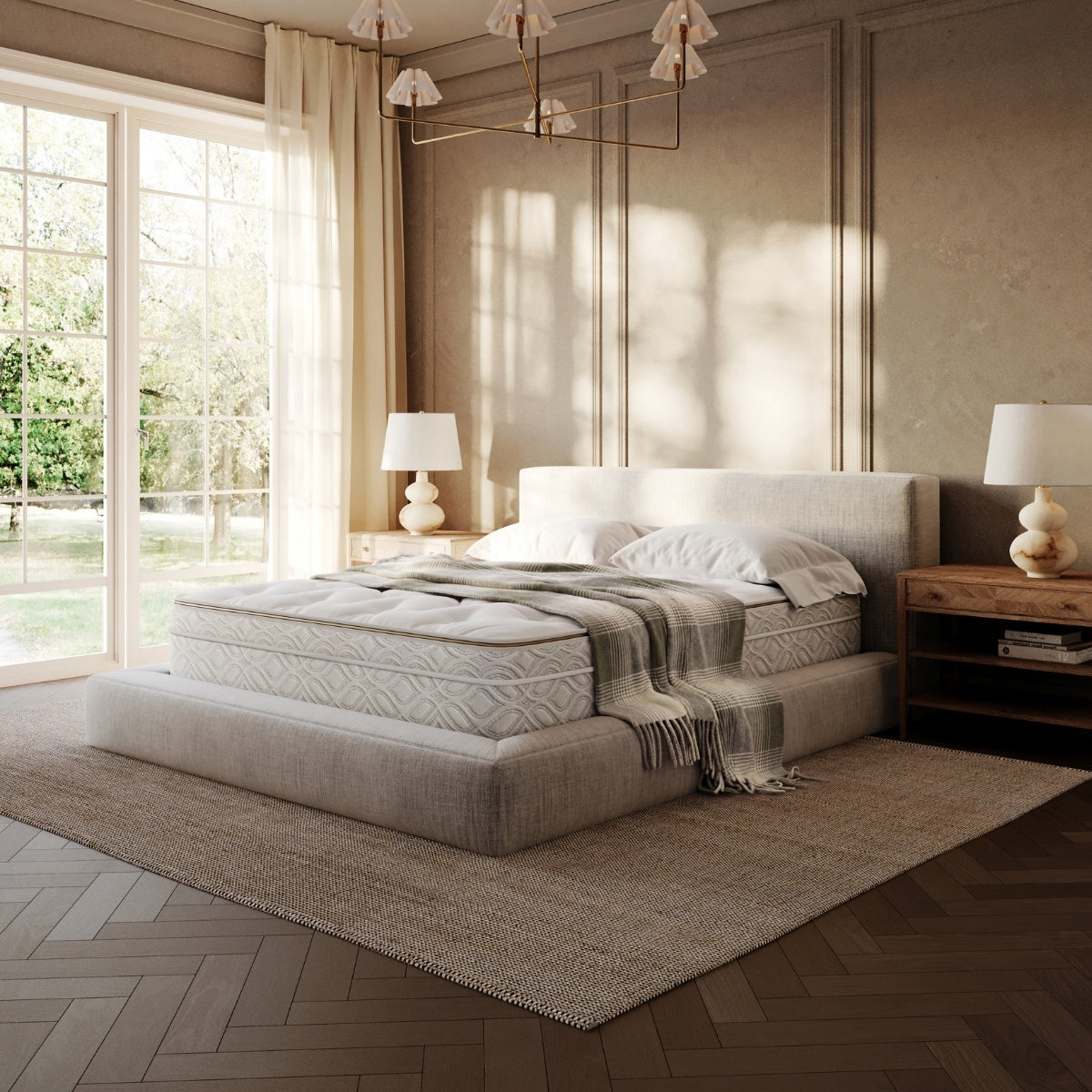
Hygge begins with physical comfort. Breathable organic cotton sheets, fluffy duvets and tactile textures invite you to sink in. Layer materials that feel cozy in every season like organic sateen sheets for silky softness or crisp percale for that fresh, just-washed feel.
Adding texture creates visual warmth, too. A chunky knit blanket, wool throw or soft alpaca layer adds both comfort and dimension. Beyond aesthetics, choosing natural, certified organic fibers helps your cozy retreat be free from unnecessary synthetics or harsh chemicals, so you can relax knowing your comfort comes from clean, breathable materials.
2. Bring Warmth With Lighting
Lighting plays a powerful role in the hygge atmosphere. Harsh overhead light can make even the coziest space feel cold or sterile, while soft, diffused light creates instant calm and can even boost your circadian rhythm.
Try layering your lighting sources – bedside lamps, floor lamps and warm string lights – to create a soft glow that shifts with the time of day. Opt for warm-toned bulbs around 2700K to mimic candlelight, or place beeswax candles on a dresser for a natural, golden radiance.
3. Choose a Calming Color Palette
A hygge space doesn’t shout – it whispers. Stick to a palette of neutral, nature-inspired hues (think soft whites, creamy beiges, warm grays or gentle taupes). These tones reflect light beautifully and provide a sense of balance and serenity.
If you prefer a bit of color, choose muted earth tones that complement organic materials, like sage green, terracotta or dusty blue. The goal is harmony, not high contrast.

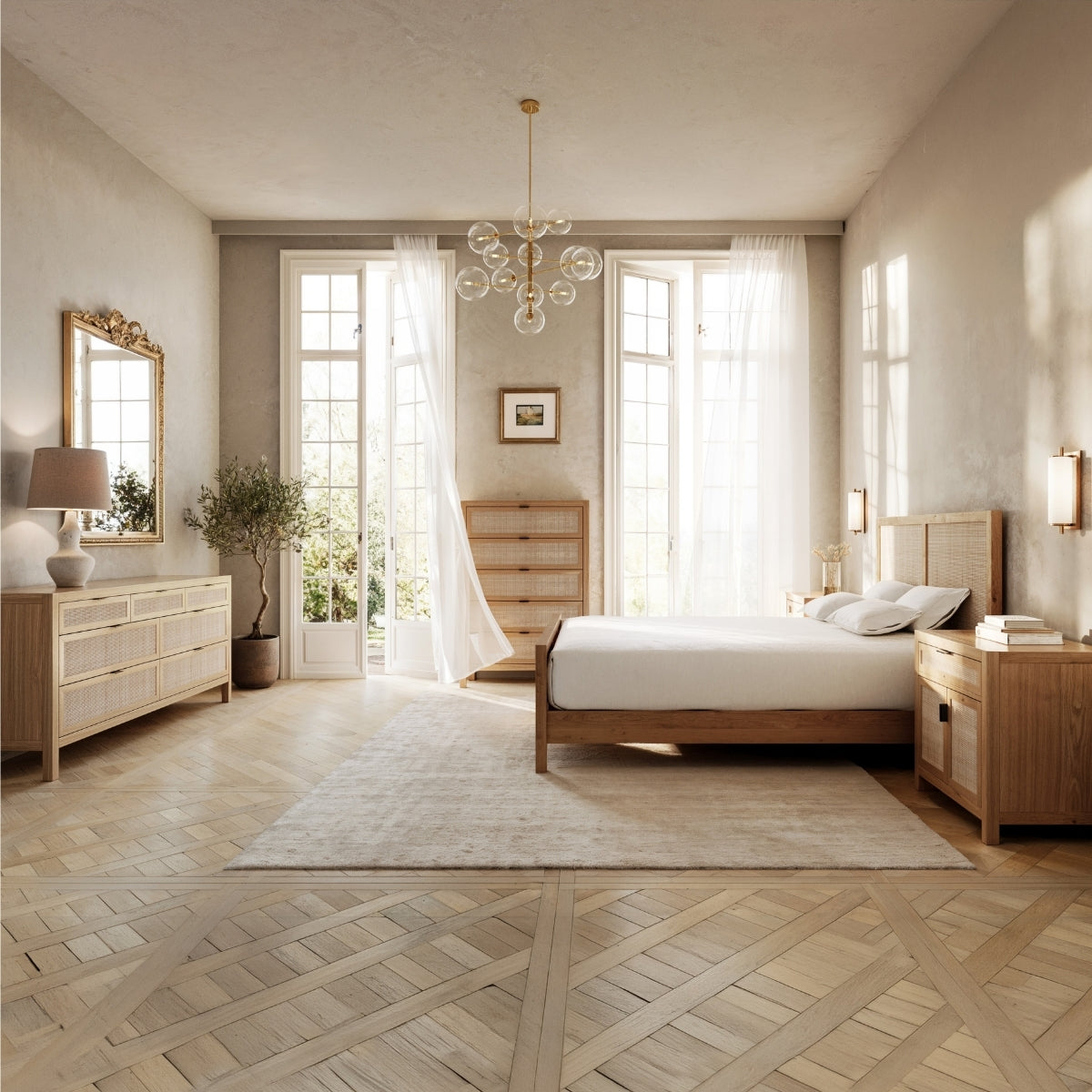
Naturepedic’s bedding and furniture collections, crafted from FSC®-certified white oak and organic cotton, embody this grounded, calming aesthetic.
4. Simplify and Declutter
Hygge thrives in simplicity. A cluttered room can crowd your mind, while a clean, intentional space makes room for peace. Focus on quality over quantity: one meaningful photograph, a favorite book or a single vase of dried flowers can make a space feel warm and personal without overwhelming it.
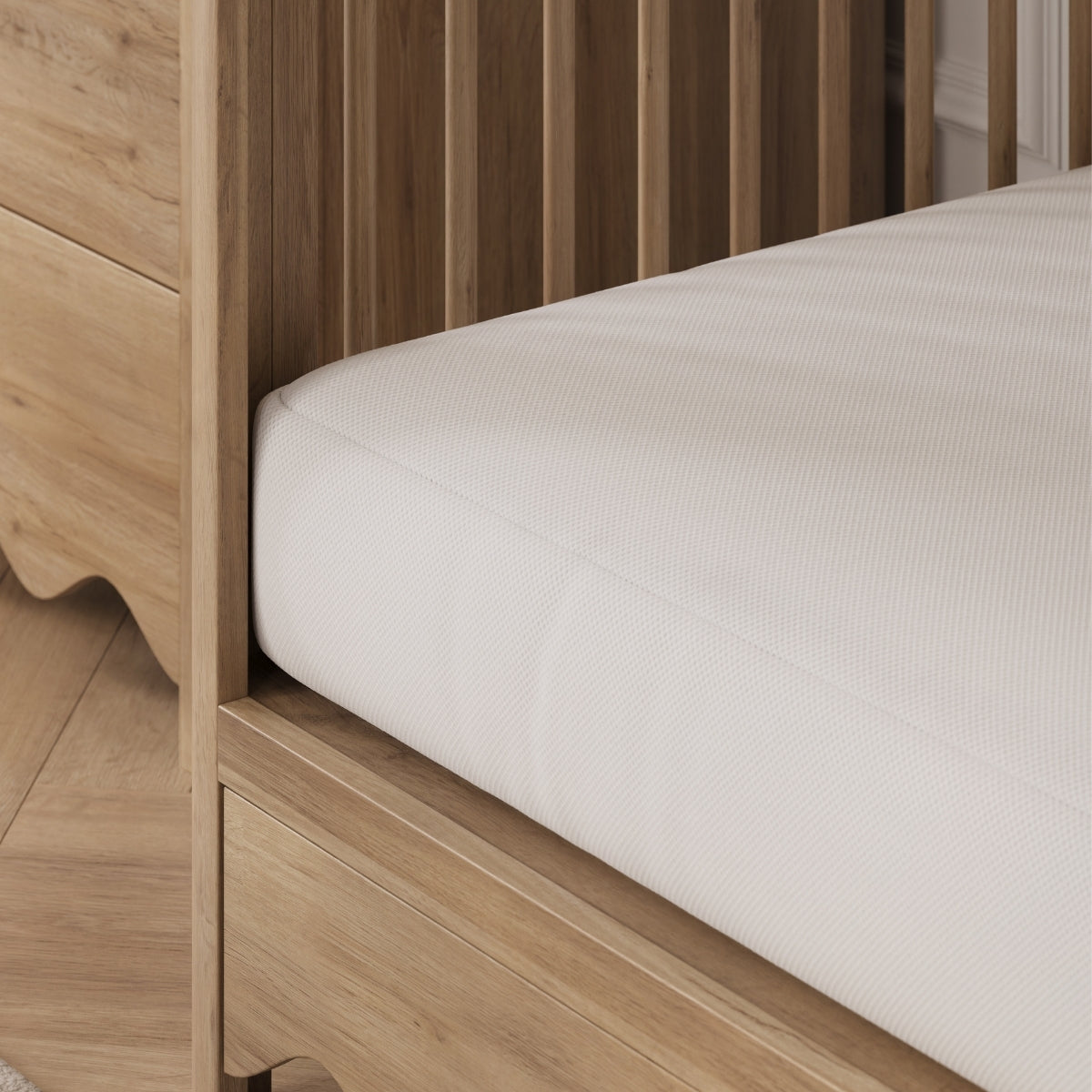
Choose furniture that balances form and function, like a solid white oak nightstand or dresser with clean lines and closed-grain durability. Natural wood pieces not only ground your space visually but connect you back to the natural world, reinforcing the sense of calm that hygge embodies.
5. Engage All the Senses
Hygge isn’t just visual – it’s sensory. The more senses you engage, the more immersive your comfort becomes.
Bring in natural scents like lavender, cedarwood or bergamot through an essential oil diffuser or fresh sprigs of herbs. Incorporate soothing sounds, such as soft acoustic music, rain soundscapes or brown noise. Even the subtle rustle of organic cotton sheets or the gentle weight of a wool blanket can ground you in the present moment.
Texture matters, too. Mix smooth cotton with plush wool, textured linen or even a handwoven rug. These tactile details add dimension and depth, inviting you to reach out, slow down and feel your surroundings – literally.
6. Create Space for Rest and Ritual
At its heart, hygge is about slowing down, and your nighttime routine is the perfect place to start. Build small rituals that signal to your body that it’s time to unwind: make a cup of tea, stretch, read a few pages of a book or light a candle before bed.
Surrounding yourself with non-toxic, organic materials supports deeper rest and peace of mind. A mattress made without polyurethane foam or harmful flame retardants means you’re breathing cleaner air while you sleep, and that kind of reassurance is its own form of hygge.
Choose comfort that aligns with your values. Because when you rest on natural, consciously made materials, your bedroom becomes not just a place to sleep – but a space that reflects who you are and what you care about.
The Heart of Hygge Is Intention
Ultimately, hygge isn’t about buying more or redecorating your entire room. It’s about slowing down, simplifying and choosing what brings you genuine comfort. A hygge-inspired bedroom feels good not just because it’s beautiful, but because it’s intentional – every texture, color and object has a purpose.
So this season, light a candle, pull up your coziest organic blanket and let yourself embrace the warmth of being home.