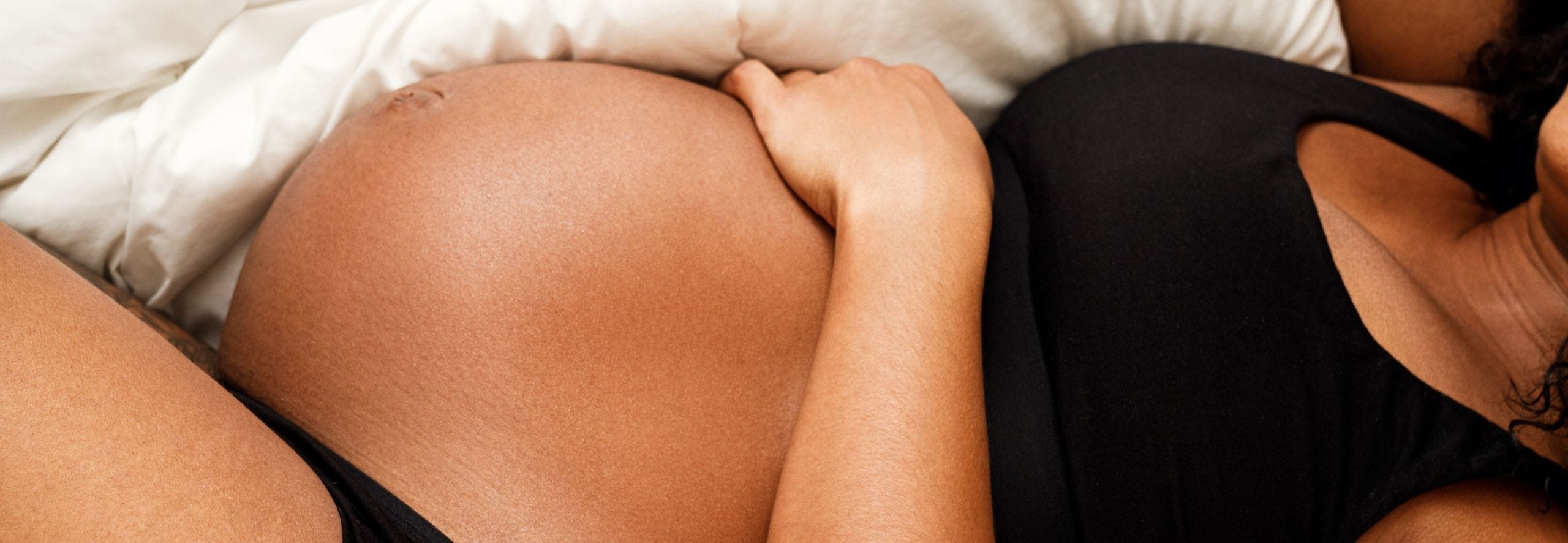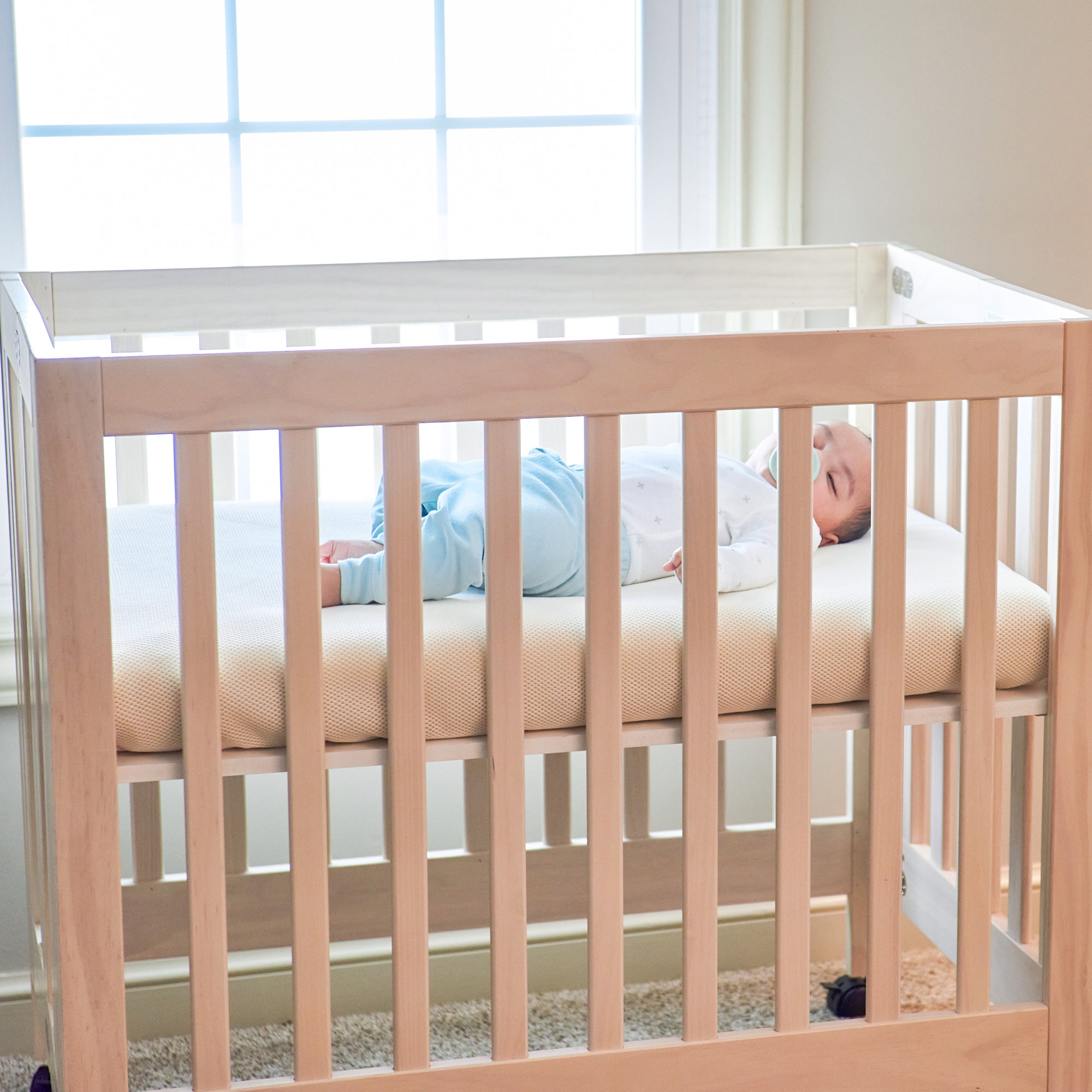






The baby is fed, the sun is going down, and instead of feeling relieved that the day is winding down, you feel a knot forming in your stomach. Another night is coming.
How many times will the baby wake up? Will they settle after feeding? Will you be able to fall back asleep? What if you finally drift off and immediately hear crying? What if tonight is as hard as last night?
If that feeling sounds familiar, you may have experienced what many new parents call the postpartum sundown scaries: a wave of anxiety, dread, sadness, or uneasiness that seems to arrive with the evening.
The sundown scaries postpartum aren't a formal medical diagnosis, but the experience they describe can be very real. After having a baby, nighttime brings together factors that can make anxiety feel especially intense, from severely disrupted sleep and rapidly changing hormones to maternal hypervigilance and the simple uncertainty of not knowing what the night ahead will look like.
And sometimes, you can be completely exhausted and still find yourself unable to switch off.
Postpartum Sundown Scaries: Key Points
- Postpartum sundown scaries describe anxiety, dread, sadness, or uneasiness that intensifies as evening approaches after having a baby. The term is informal and is not a medical diagnosis.
- Nighttime anxiety can be intensified by fragmented sleep, changing hormones, maternal hypervigilance, isolation, and uncertainty about how the night ahead will unfold.
- Postpartum insomnia and nighttime anxiety can reinforce each other, especially when you have an opportunity to sleep but remain too alert or anxious to do so.
- Practical support can make nights feel more manageable, including sharing overnight responsibility, preparing essentials in advance, creating one small wind-down cue, and giving racing thoughts somewhere else to go.
- Persistent, severe, or worsening anxiety deserves medical attention. Talk with your health care provider if anxiety interferes with sleep or daily functioning, and seek immediate care for thoughts of harm or symptoms of postpartum psychosis.
Note: This blog may contain links to Naturepedic products and promotional content where relevant to the topic discussed.
What Are the Sundown Scaries?
The postpartum sundown scaries are an informal term for feelings of anxiety, dread, sadness, or uneasiness that become stronger as evening or nighttime approaches after having a baby.
They can look different from one person to another. You might notice:
- A sense of dread as daylight starts to fade
- Racing thoughts about the night ahead
- Feeling unusually emotional or tearful in the evening
- A pit in your stomach when you think about bedtime
- Difficulty relaxing even while your baby is asleep
- Constantly listening for crying, movement, or other sounds
- Worry about whether you'll get any sleep
- Feeling overwhelmed by the thought of another feeding or wake-up
For some new moms, the anxiety is almost entirely anticipatory. Nothing is necessarily going wrong at that moment, but you know that bedtime no longer guarantees rest.
While the term "sundown scaries" may describe a common postpartum experience, it isn't interchangeable with a postpartum anxiety disorder. Anxiety that is persistent, severe, or interfering with your ability to function deserves a conversation with your health care provider.
Why Does Postpartum Anxiety Feel Worse at Night?
There's probably no single explanation for why nighttime anxiety with a newborn can feel so intense.

Instead, several realities of early parenthood tend to collide at exactly the same time.
You're Anticipating Another Night of Broken Sleep
Before having a newborn, bedtime may have represented the end of the day. But during the postpartum period, it can feel more like the beginning of the night shift.
Newborn sleep is fragmented, and nighttime wake-ups are expected. Feedings, diaper changes, soothing, pumping, and simply listening for the baby can divide the night into small pieces.
After enough difficult nights, your brain can start anticipating what's coming before it happens. Instead of getting into bed thinking, “I'm going to sleep,” you may find yourself calculating things like:
- “If I fall asleep right now, maybe I'll get two hours.”
- “They're probably going to wake up as soon as I doze off.”
- “What if I can't get them back down tonight?”
That anticipation can make it difficult to relax at exactly the time you're trying to do so.
Sleep Deprivation Can Make an Already Hard Night Feel Harder
Newborn sleep disruption isn't necessarily the same as simply getting six hours instead of eight. The sleep you do get may be interrupted repeatedly, making restorative rest harder to come by.
Research has found important links between sleep disturbance and mental health during the perinatal period. A review of perinatal insomnia research found that insomnia is associated with both depression and anxiety, although the relationship is complex and researchers can't always determine which comes first. A 2023 study also found that postpartum insomnia and poor sleep quality predicted greater symptoms of postpartum depression and anxiety over the first six months after birth.
The broader reality of maternal sleep doesn't necessarily improve once the newborn stage is over, either. In a 2026 Wakefield Research survey conducted for Naturepedic among 1,000 nationally representative U.S. moms ages 25-45 with children under 18, 83% said they usually wake feeling like they didn't get a good night's sleep, regardless of how many hours they spent in bed. The survey included moms across many stages of parenting, so these findings aren't specific to postpartum women, but they illustrate how common unsatisfying sleep can be among moms generally.
When you're already running on fragmented sleep, another unpredictable night can understandably feel much bigger.
Your Hormones Are Changing Rapidly
Your body goes through enormous biological changes after delivery, including sharp shifts in reproductive hormones.
Estradiol and progesterone levels fall dramatically after childbirth. Researchers are still working to understand exactly how those hormonal changes relate to postpartum mood and anxiety, and hormones shouldn't be treated as the single explanation for the sundown scaries. One small study, for example, found that declining estradiol levels during the first 12 hours after delivery were associated with increasing self-reported anxiety, but the researchers noted that the connection needs further study.
In other words, "racing hormones" is a convenient shorthand for a much more complicated postpartum transition. Hormonal changes may be one piece of the picture alongside physical recovery, sleep loss, feeding demands, stress, and the enormous adjustment of caring for a new baby.
Maternal Hypervigilance Can Make It Hard to Switch Off
For many new moms, becoming responsible for a tiny human creates a new level of alertness. Every grunt, wiggle, cough, cry, or moment of silence can suddenly feel worthy of your attention.
This heightened state is sometimes described as maternal hypervigilance. It can feel like your brain has appointed itself the overnight security system, scanning constantly for signs that the baby might need you.
You may find yourself:
- Waking at every little sound
- Checking the baby repeatedly
- Watching the monitor when you could be sleeping
- Struggling to relax while someone else cares for the baby
- Feeling as though you need to stay partly awake "just in case"
Constantly watching for danger can also be a symptom of an anxiety disorder, according to the American College of Obstetricians and Gynecologists (ACOG).
Some vigilance is understandable when you're learning your baby's cues. But when your body remains on high alert even when the baby is safe and you have an opportunity to rest, nighttime can become exhausting in an entirely different way.
Nighttime Can Feel Incredibly Isolating
There are distractions during the day. People are awake, the sunlight is coming through the windows, someone may text you. You might have an appointment, a visitor, an errand, or simply the normal background activity of the world going on around you. Then 2 a.m. arrives.
When you're sitting in a dark room feeding a baby while it seems like everyone else in the world is asleep, worries can feel louder.
And if your partner has returned to work, you're handling most overnight care, or you simply don't have much support nearby, nighttime can magnify the feeling that the responsibility belongs entirely to you.
The Sundown Scaries and Postpartum Insomnia Can Feed Each Other
There's an important difference between being unable to sleep because your baby is awake and being unable to sleep even though your baby is asleep. The latter may point toward insomnia.

Postpartum insomnia is difficulty falling asleep, staying asleep, or returning to sleep when you actually have an opportunity to sleep. The postpartum period is a particularly vulnerable time for insomnia, and research has also linked perinatal insomnia with symptoms of anxiety and depression.
This can create a frustrating cycle:
- You expect another difficult night.
- Your anxiety starts climbing as bedtime gets closer.
- Your mind and body remain alert.
- The baby falls asleep, but you can't.
- You finally drift off, only for the baby to wake again.
- The next day's exhaustion makes you dread the coming night even more.
Over time, bedtime itself can start feeling stressful because sleep has become tangled up with anticipation, responsibility, and uncertainty.
Why "Sleep When the Baby Sleeps" Isn't Always Helpful
"Sleep when the baby sleeps" — it sounds wonderfully simple. Unfortunately, your brain, body, household, and baby may not agree with that schedule.
Even when a baby gives you an opportunity to rest, falling asleep on command isn't always possible. You may need to eat, shower, pump, wash bottles, care for another child, answer a message, or tackle the growing list of things that don't disappear simply because you recently gave birth.
There's also the mental load. In Naturepedic's Wakefield Research survey, 62% of moms said they often or always struggle to fall asleep at bedtime because their mind feels busy or filled with to-do lists. Again, these respondents weren't exclusively postpartum moms, but the finding captures a familiar challenge: having time for sleep doesn't necessarily mean your mind is ready for it.
Putting pressure on yourself to immediately fall asleep every time the baby does can turn sleep into yet another task you're supposed to accomplish.
How to Deal With the Sundown Scaries Postpartum
You may not ever be able to make newborn nights predictable, but you can look for ways to reduce how much uncertainty, decision-making, and responsibility falls on you once evening arrives.

Make the Night Feel Smaller
Thinking about surviving an entire night can feel overwhelming when you're exhausted at 7 p.m.
Try narrowing the time horizon. Instead of thinking, “How am I going to make it through tonight?”, focus on the next step, whether that’s the next feeding, the next sleep window, or simply getting yourself through the next hour.
Preparing a few essentials before evening can also reduce overnight decision-making. You can fill your water bottle, put feeding supplies where you need them, set out a clean sleeper, and/or make sure you'll have an easy snack available. Removing a few small things your tired brain won't have to handle later can make a big difference.
Share the Vigilance, Not Just the Chores
When another caregiver is available, "help" can mean more than changing one diaper while you're still mentally in charge of everything. What many exhausted parents need is an actual period of being off duty.
Depending on feeding needs and your family's situation, that could mean having someone else take responsibility for a stretch of the night, the early morning, soothing after a feeding, washing bottles, or getting older kids ready for the day, because it's hard to truly rest while you're still listening for the baby and wondering whether the person helping you will need instructions.
Naturepedic's survey found that taking care of household chores and letting Mom sleep in were the two most commonly selected ways partners or loved ones could help moms get the sleep they need. Support with kids' bedtime and morning routines also ranked highly.
Create One Small Evening Cue for Yourself
A conventional sleep routine might include a bath, reading, stretching, journaling, and turning off screens an hour before bed. As lovely as that sounds, it may also be completely unrealistic with a newborn.
You don’t have to do it all. Your postpartum nighttime routine can be much smaller, like dimming the lights after the baby's evening feed, washing your face and changing into comfortable clothes, and doing three minutes of stretching, making a caffeine-free drink, or putting your phone down while you're feeding the baby.
One repeatable cue can create a small transition between the stimulation of the day and whatever rest the night allows.
Give Racing Thoughts Somewhere Else to Go
If lying down immediately activates a mental checklist, don't rely on your brain to remember everything until morning.
Keep a notebook or notes app nearby and write down tomorrow's tasks, questions for the pediatrician, things you need from the store, or anything else your mind keeps rehearsing.
If you find yourself repeatedly searching the same baby-related concern late at night, consider writing the question down to discuss with your baby's pediatrician instead.
Make Your Own Sleep Space Support the Rest You Do Get
No mattress, pillow, or perfectly designed bedroom can solve postpartum anxiety. And with a newborn, complete control over your sleep environment isn't realistic anyway. But the opportunities you do have to rest matter.
A dark room, comfortable temperature, quieter environment, a comfortable mattress, and quality bedding can remove unnecessary barriers to sleep. In Naturepedic's survey, 54% of moms said a more comfortable mattress and bedding would help them get a better night's sleep.
Don’t create another postpartum project for yourself, but make small changes that let your bedroom do its job as well as it can when you finally get the chance to use it.
Let Yourself Accept Help Without Earning It First
Sleep can become surprisingly complicated emotionally after becoming a mom.
You may finally have someone willing to take the baby and still feel guilty going to bed. Maybe the laundry isn't folded. Maybe your partner is tired, too. Maybe you feel like you should be using the time for something productive.
You’re not alone. In Naturepedic's survey, 62% of moms agreed that they felt they needed someone to give them "formal permission" to prioritize their own sleep before they could do so without feeling guilty.
So, consider this permission to treat sleep like a need rather than a reward for finishing everything else. The laundry can wait.
How Long Do Sundown Scaries Last?
There is no established timeline for how long postpartum sundown scaries last because "sundown scaries" isn't a medical diagnosis and hasn't been clinically defined.

For some new moms, nighttime dread may gradually lessen as they recover from birth, become more confident caring for their baby, adjust to feeding, receive more support, and begin to understand their baby's rhythms. Other people may find that nighttime anxiety persists or becomes more intense.
That's where it's important not to dismiss every difficult feeling as simply part of having a newborn. ACOG notes that anxiety can begin for the first time during pregnancy or after delivery and often starts shortly after birth, although it can begin later in the postpartum period as well.
If you're wondering when the sundown scaries go away, there isn't a week or month by which you're supposed to suddenly feel fine. What matters more is how intense the anxiety feels, whether it's improving, and how much it is affecting your ability to sleep and function.
When Nighttime Anxiety May Be a Sign of Postpartum Anxiety
Feeling apprehensive about another sleepless newborn night doesn't automatically mean you have an anxiety disorder, but postpartum anxiety is real and important to consider seriously.
According to ACOG, symptoms of anxiety during or after pregnancy can include constant worry, feelings of tension or doom, trouble sleeping, rapid heartbeat, dizziness, nausea, avoiding things you fear, and constantly watching for danger. Anxiety may first appear after delivery even in someone who hasn't experienced it before.
Talk with your OB-GYN or another health care provider if your nighttime anxiety:
- Feels overwhelming or is getting worse
- Regularly prevents you from sleeping when you have the opportunity
- Extends throughout much of the day
- Interferes with eating, concentrating, caring for yourself, or functioning normally
- Involves persistent checking or an inability to let another trusted caregiver take over
- Includes intrusive thoughts or fears that are causing significant distress
ACOG recommends screening for anxiety and depression during postpartum care, so these are exactly the kinds of symptoms worth bringing up with your provider.
Seek immediate medical care if you are in danger of hurting yourself or your baby. Hallucinations, delusions, paranoia, severe confusion, or other signs of postpartum psychosis also require immediate medical attention.
You’re Allowed to Need Sleep, Too
Nighttime can feel different after you bring home a baby. It represents responsibility, unpredictability, feeding schedules, crying, wake-ups, and the constant question of when you'll get to sleep again.
The postpartum sundown scaries can sit at the intersection of sleep deprivation, changing hormones, maternal hypervigilance, isolation, and the anticipation of another unpredictable night. You may not be able to make the newborn stage perfectly restful, but support, shared responsibility, realistic routines, and professional care when you need it can make nighttime feel more manageable.
And when you do get an opportunity to rest, you don't need to earn it first.
Have feedback on our story? Contact us to let us know what you think or visit our about us page to learn more!