The projected sleep trends for 2026 point to a clear shift in the sleep conversation, with less emphasis on tracking and hacks and more focus on sleep environments and long-term health. Why? Because after years of experimentation with wearables, supplements and viral sleep advice (sleepy girl mocktail, anyone?), many people are still tired – and ready to reassess what actually works and what simply adds noise.
Sound like you? Keep reading – below, we break down the sleep trends to watch in 2026.
1. Sleep Optimization > Sleep Tracking
For much of the last decade, better sleep was framed as a data problem. Track your sleep, review your scores and try to improve the numbers. Over time, many people realized that while sleep data can be informative, it doesn’t automatically lead to better rest.

What you can expect to change in 2026 is how that data is used. Instead of tracking every night indefinitely, people are using wearables to spot patterns, test changes and then step back. The emphasis has shifted from collecting data to applying it, and then relying on habits and environment rather than constant feedback.
This matters because sleep improves most when routines are stable. Consistent bedtimes, better light exposure and supportive sleep environments work without daily tracking. Sleep optimization is becoming about repeatable changes, not perfect scores.
2. “Sleepmaxxing” Skepticism
Sleepmaxxing, the idea of optimizing every possible detail of sleep, has become increasingly visible online. Strict routines, supplement stacks and rigid rules are often presented as the path to perfect sleep. While some of these practices can help, many people find them overwhelming or unsustainable.
In 2026, expect to see more people stepping back from extreme optimization. There is growing awareness that piling on rules can increase stress around bedtime, making sleep harder rather than easier. As a result, many are already choosing fewer habits that deliver consistent benefits over maximizing, well, everything.
This shift matters because sleep thrives on simplicity. Regular schedules, reduced evening stimulation and calmer routines tend to support sleep better than rigid systems. Practicality > perfection.
3. Bedrooms as Sleep Infrastructure
Bedroom design has traditionally focused on aesthetics, with sleep treated as a secondary consideration. That is changing.

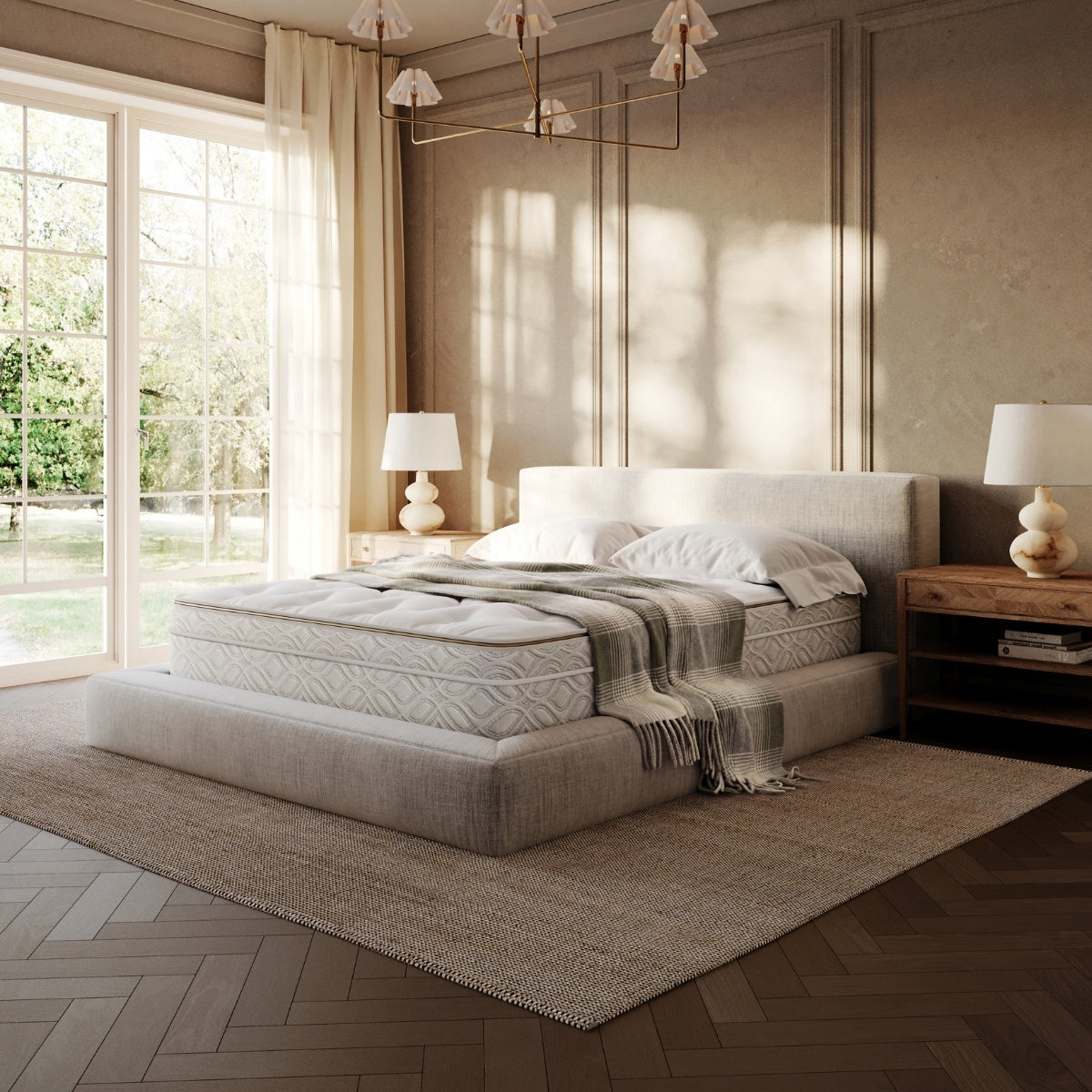
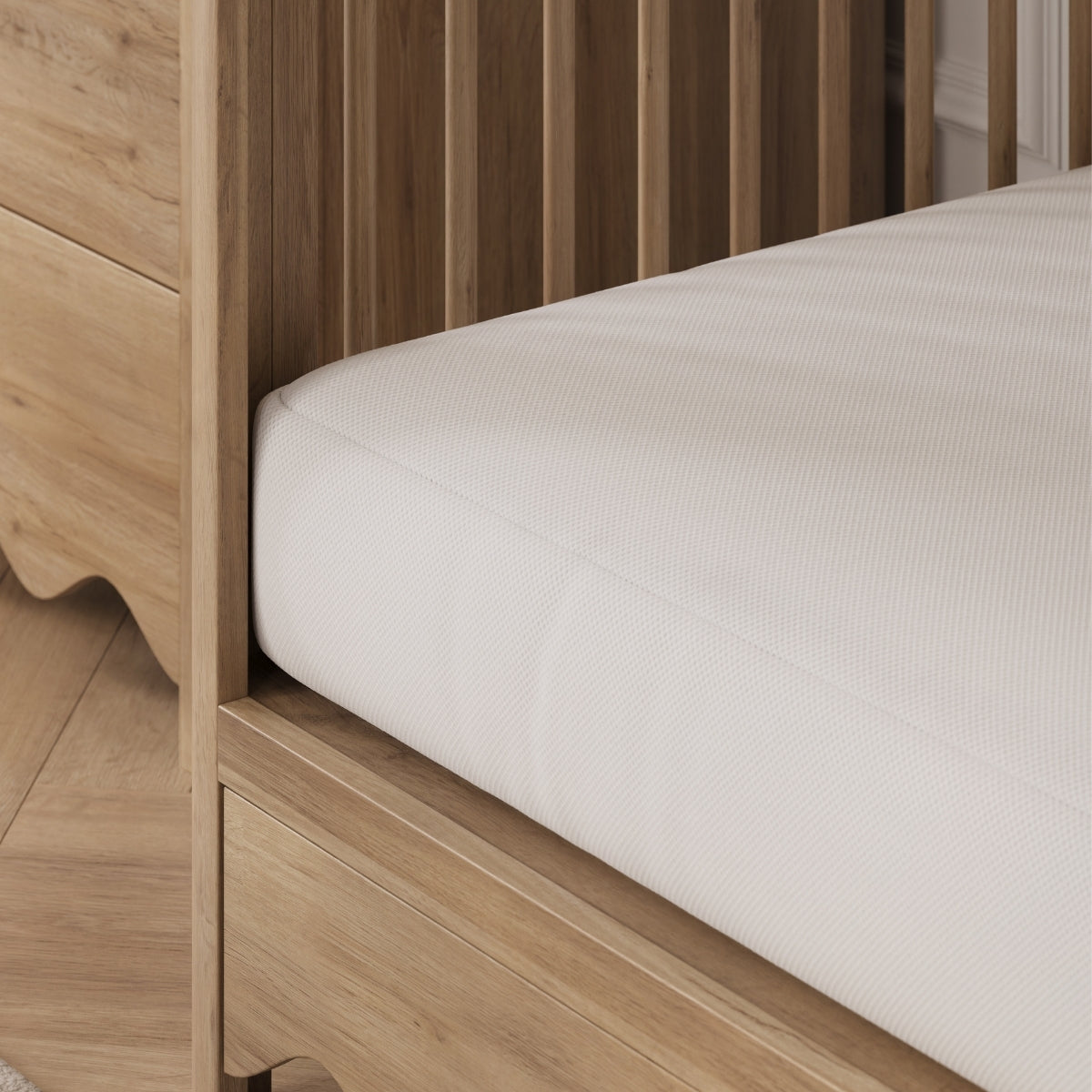
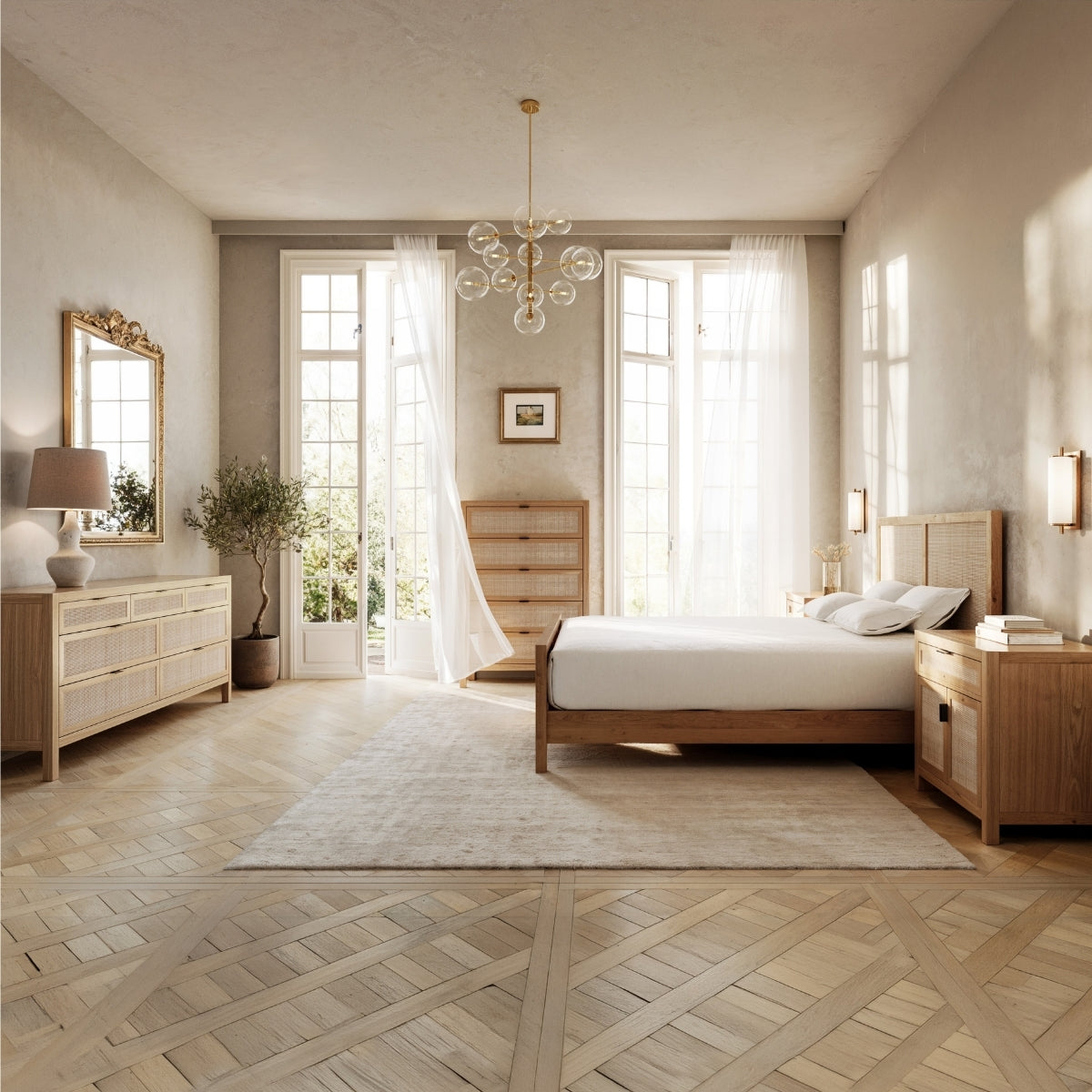
In 2026, more people will be viewing the bedroom as a functional sleep space rather than just a styled room, with greater attention to:
- Temperature, airflow, light and sound
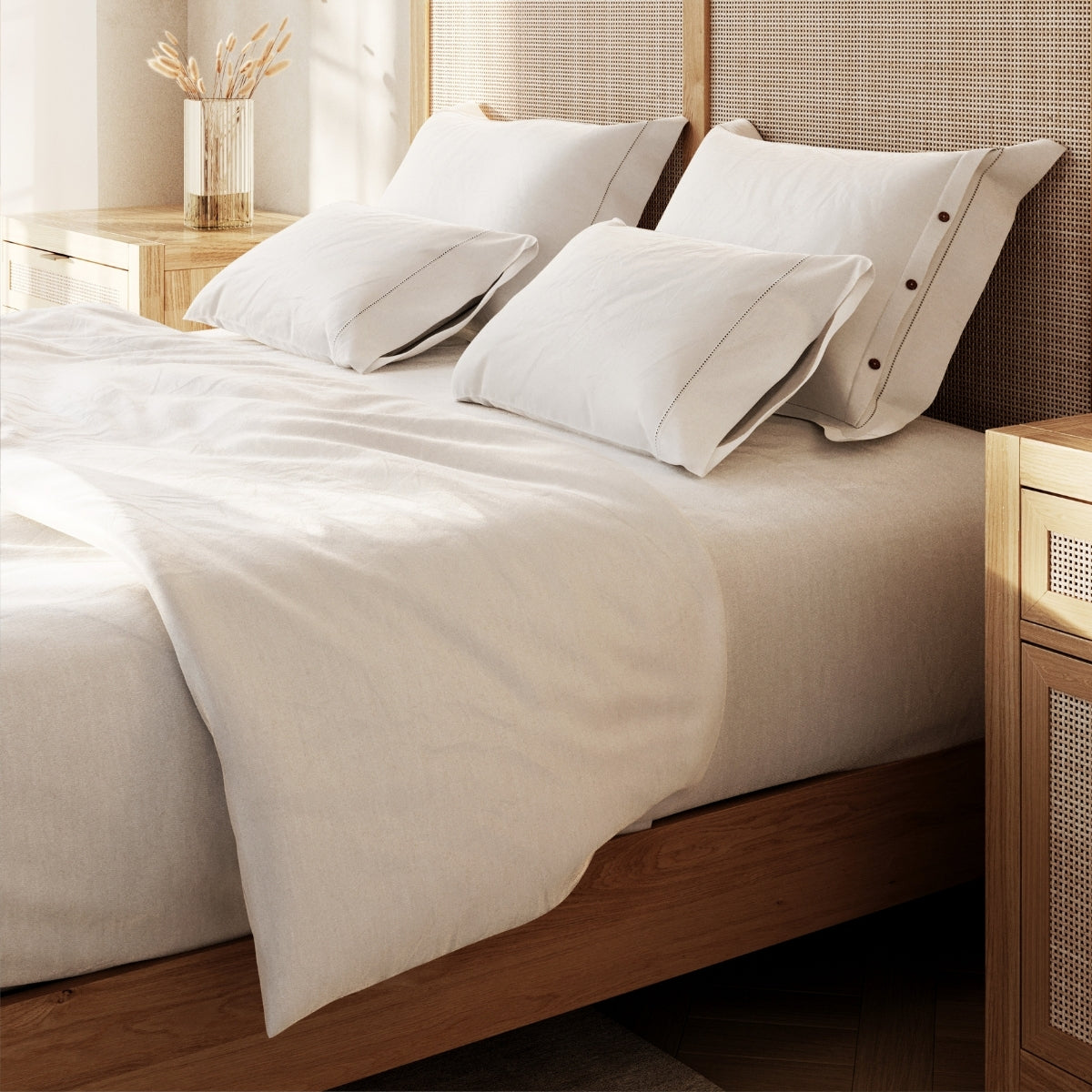
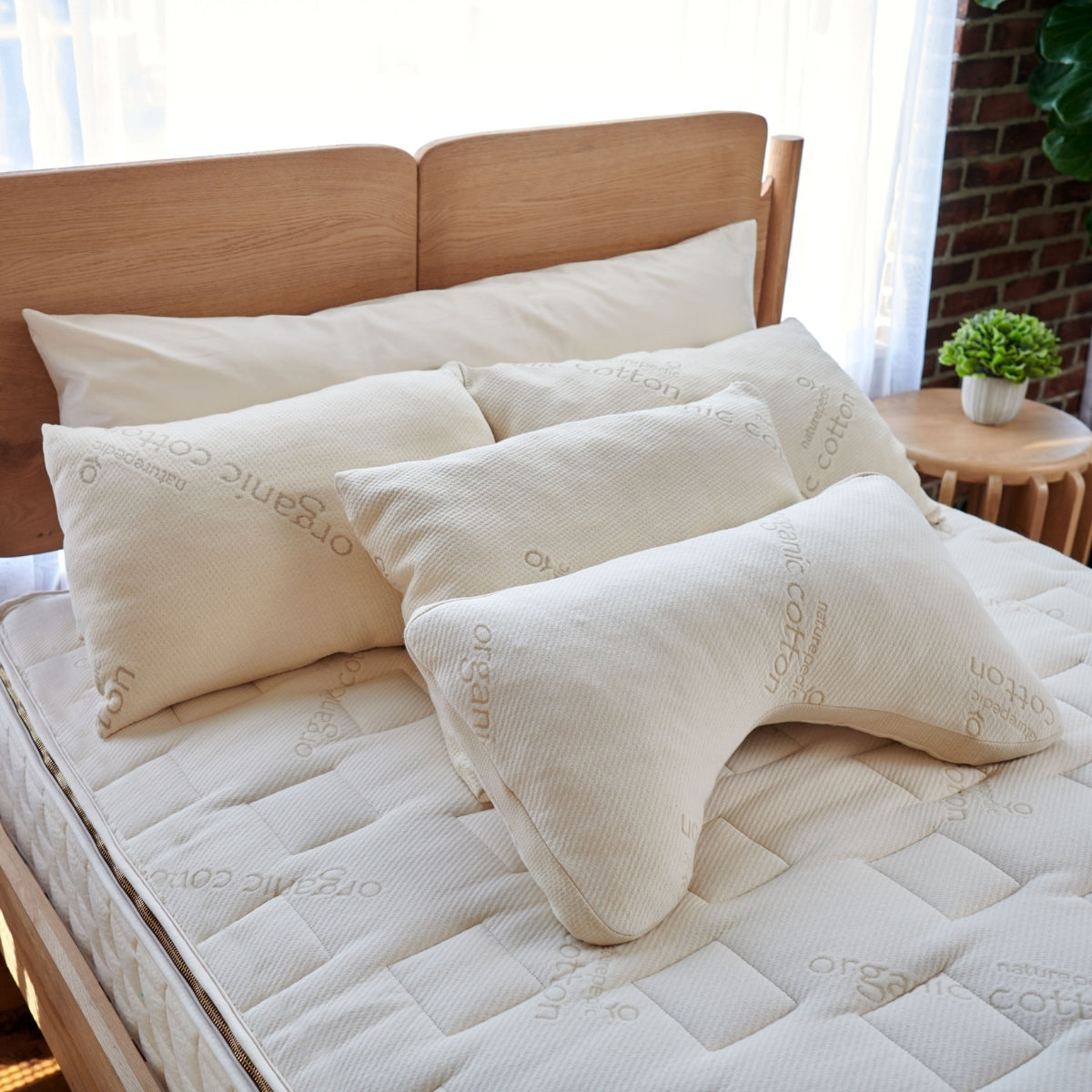
- Darker rooms, cooler temperatures, quieter spaces and breathable bedding
We love this trend because environmental changes don’t rely on motivation or willpower – the effects are easy to feel and maintain. Once a sleep space supports rest, it does so every night.
4. Conversations About Circadian Rhythms
Circadian rhythms were once discussed mostly in medical or academic settings. For many people, the concept felt abstract or overly technical. Sleep advice often focused only on bedtime habits.
What you can expect to change in 2026 is how widely circadian rhythms are discussed. Morning light exposure, consistent wake times and reduced evening light are already becoming common topics, and that's only going to increase in 2026, with changes like:
- Daily schedules being adjusted with sleep in mind
- People paying more attention to when they wake, eat and wind down
- Sleep routines being shaped by the full day, not just bedtime
Timing throughout the day is finally being recognized as a bigger part of sleep health, and we are here for it.
5. Sleep as a Health Issue
For all of time, feeling tired has often been normalized. Poor sleep is treated as a side effect of busy schedules rather than a problem worth addressing. Many people push through fatigue without asking questions because, well, that's just what you do.

What you can expect to change in 2026 is how openly sleep problems are discussed. Conversations around insomnia, disrupted sleep and long-term sleep loss are becoming more common, and sleep is increasingly mentioned alongside mental health and wellbeing.
Ongoing tiredness is being taken more seriously, which means that people are more likely to acknowledge sleep issues instead of dismissing them. Sleep is being discussed as part of overall health conversations.
6. At-Home Sleep Testing
Sleep improvement has often relied on trial and error. People adjust habits, add supplements or change routines without knowing what’s actually happening during sleep. Wearables can show trends, but they don’t explain everything.
What you can expect to change in 2026 is greater use of at-home sleep testing. These tools are being used to investigate ongoing issues when lifestyle changes aren’t enough, because they offer more insight without requiring a sleep study.
More people are seeking clearer information about their sleep, and as testing is being used to answer lingering questions, sleep decisions will continue to become more informed and less speculative.
7. Sleep Tourism
Sleep tourism refers to travel experiences designed specifically around rest and sleep quality. Instead of sightseeing or packed itineraries, these trips center on quiet environments, structured downtime and sleep-friendly routines.

In 2026, sleep tourism is being discussed more openly as its own category. Hotels, resorts and retreats are offering stays that emphasize darkness, reduced noise, comfortable bedding and unstructured downtime. Travel media and wellness outlets are increasingly naming sleep as a travel goal rather than a side benefit.
Sleep-focused trips often involve simple schedules, limited stimulation and environments designed to support rest. For travelers seeking recovery rather than activity, sleep tourism offers an alternative to traditional vacation models centered on doing more.
8. Quality Over Quantity of Sleep Products
Over the past several years, sleep has become a product-heavy category. New gadgets, supplements and accessories are constantly marketed as must-haves for better rest. Many people have tried stacking products, hoping that one more purchase might finally fix their sleep.
In 2026, we're predicting growing fatigue around that approach. More people are questioning whether constant buying actually improves sleep or simply adds clutter and decision overload. Instead of chasing every new release, consumers are becoming more selective about what they bring into their sleep routines.
This shift reflects a broader pullback from hyperconsumerism. Instead of buying new sleep products every time something trends, many consumers are choosing to stop adding and start using what they already own. Sleep setups are becoming simpler, driven by a desire to avoid constant purchasing rather than chase the next upgrade.
What These Trends Point To Next
Together, the sleep trends shaping 2026 reflect a calmer, more grounded approach to rest. People are moving away from constant tracking, extreme routines and quick fixes, and instead focusing on consistency, environment and long-term health. Better sleep isn’t about doing more – it’s about doing what works and sticking with it.