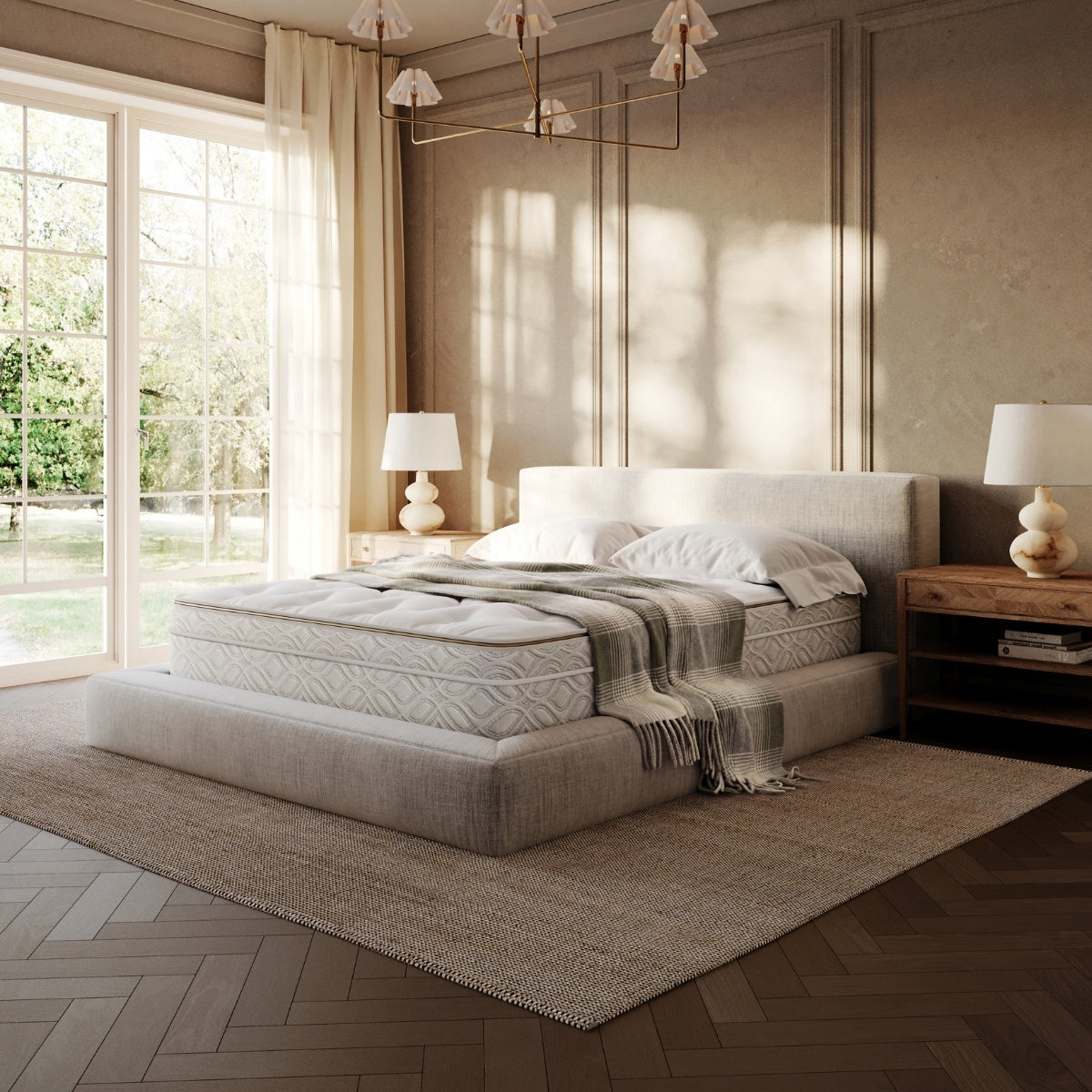
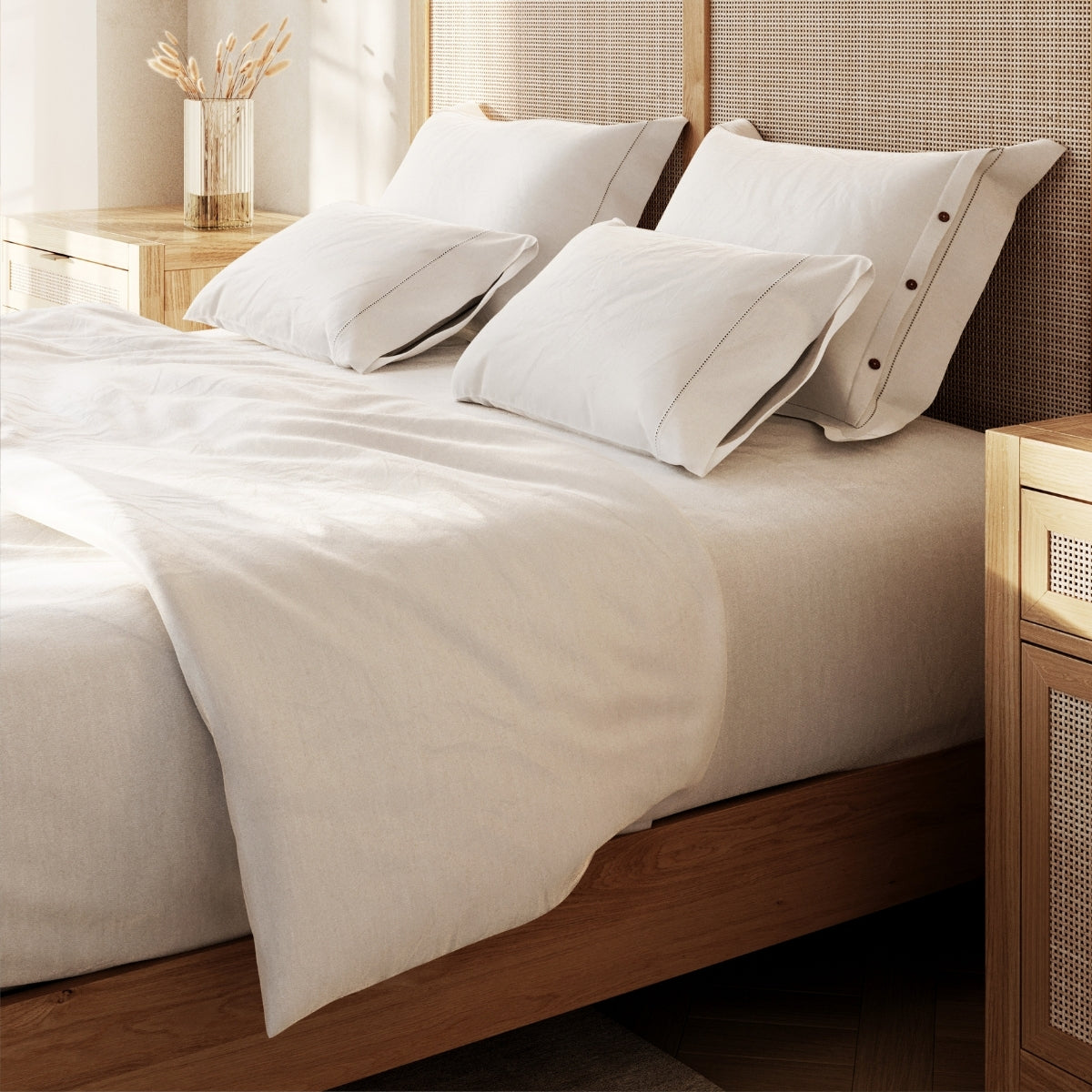
When it comes to a good night’s sleep, your mattress might get all the credit, but what you put on top can make just as big a difference.\
\The term "mattress pad" is often used as a catch-all for anything you add to a mattress. Hard-as-a-rock dorm bed? Throw a mattress pad on it! Sharing your bed with a new puppy? Better add a mattress pad to protect against accidents! But despite the casual nickname, mattress protectors and mattress toppers serve very different purposes, and knowing the differences can help you sleep cleaner or comfier — and better overall.\
\So, which one do you actually need? Or should you consider both? Let’s break down what each does, who they’re best for, and how they can help you sleep better.\
\Mattress Protector vs. Mattress Topper: \Key Points\ \
\-
\
- \Use a mattress protector\ to shield your mattress from spills, sweat, allergens, dirt, and everyday buildup.\ \
- \Use a mattress topper\ to change the comfort or feel of your bed by adding cushioning, pressure relief, or support.\ \
- \Protectors are recommended for nearly everyone,\ while toppers are best for adults and older children who need a comfort adjustment.\ \
- \A topper cannot fix a worn-out mattress,\ and it is not recommended for infants, toddlers, or young children.\ \
- \You can use both together\ to protect your mattress and customize your comfort.\ \
\Note: This blog may contain links to Naturepedic products and promotional content where relevant to the topic discussed.\\
\What Is a Mattress Protector Pad?\
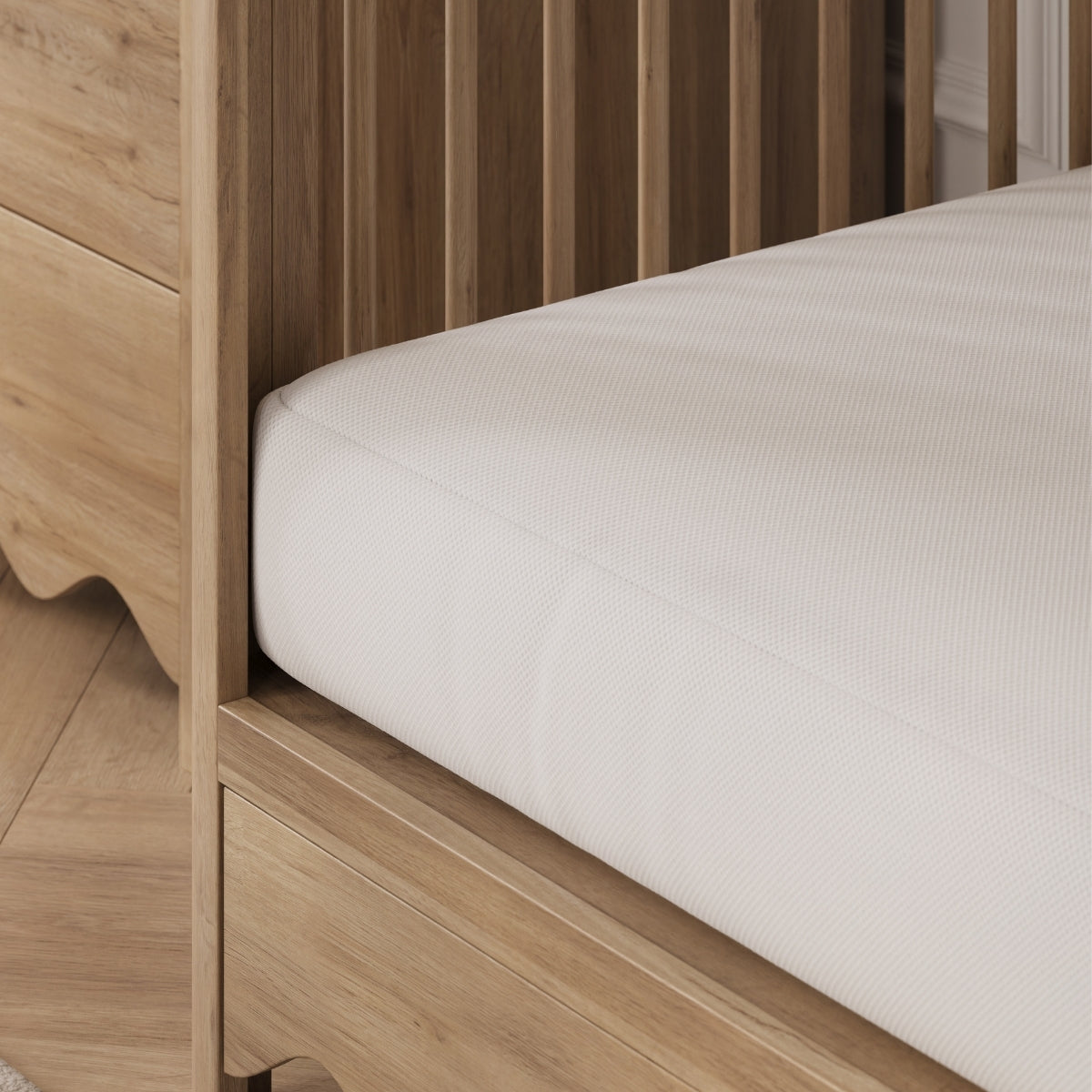
\If you're looking to keep your mattress fresh and long-lasting, a mattress protector pad is your first line of defense.\
\) \
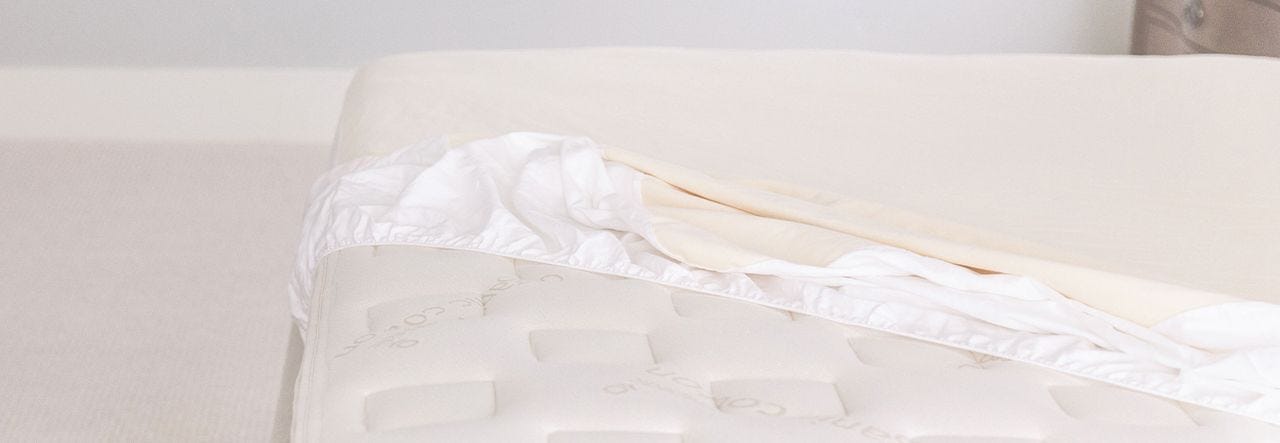
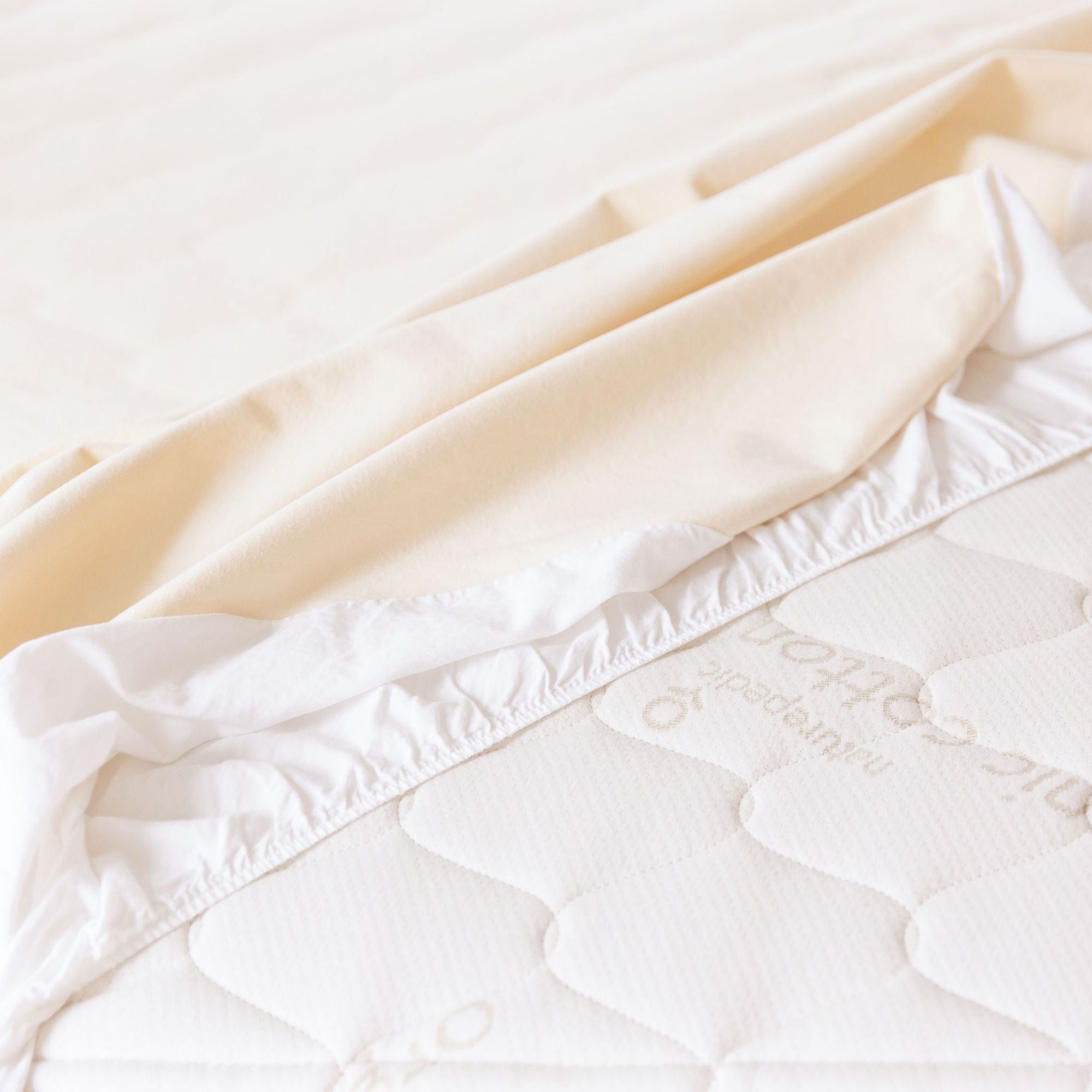
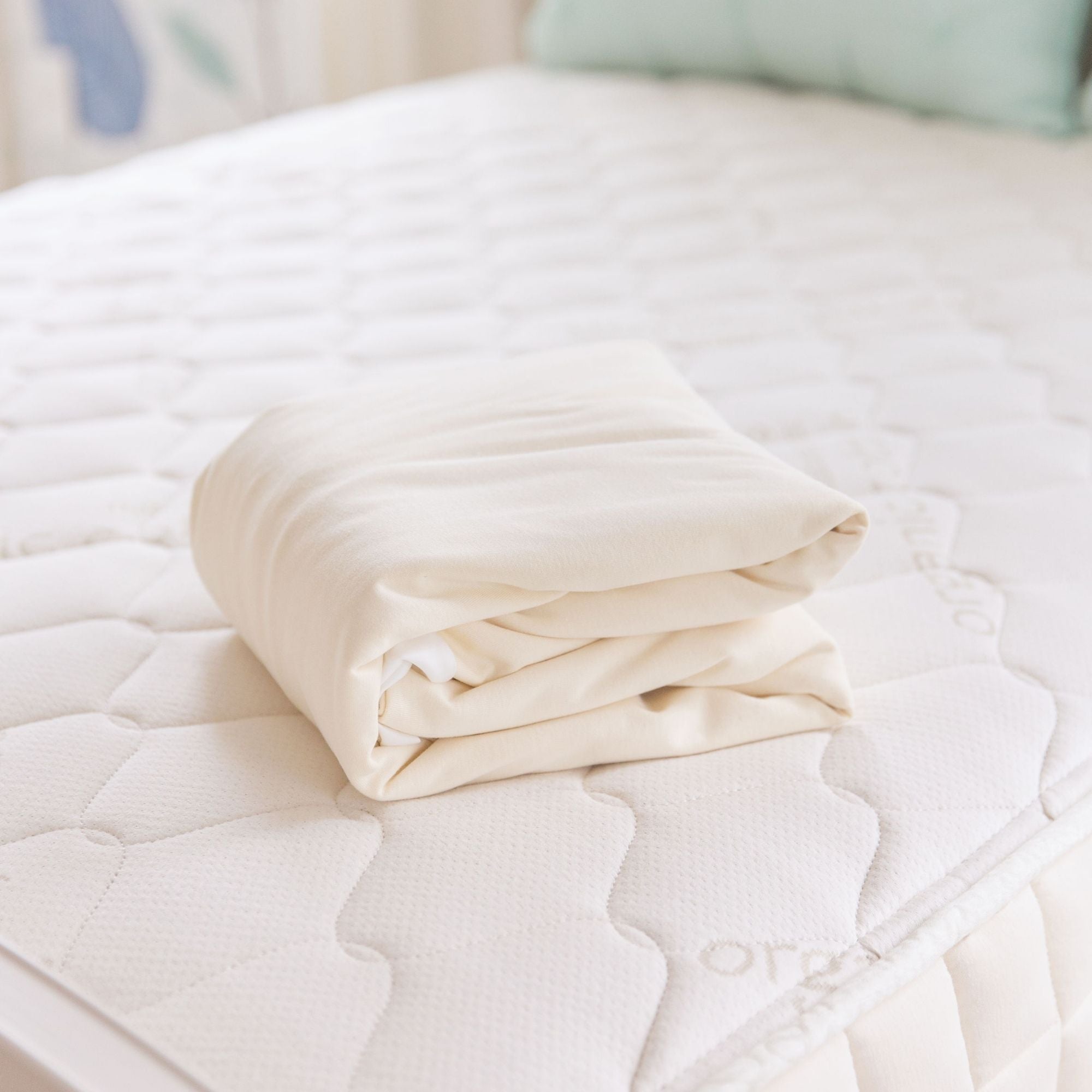
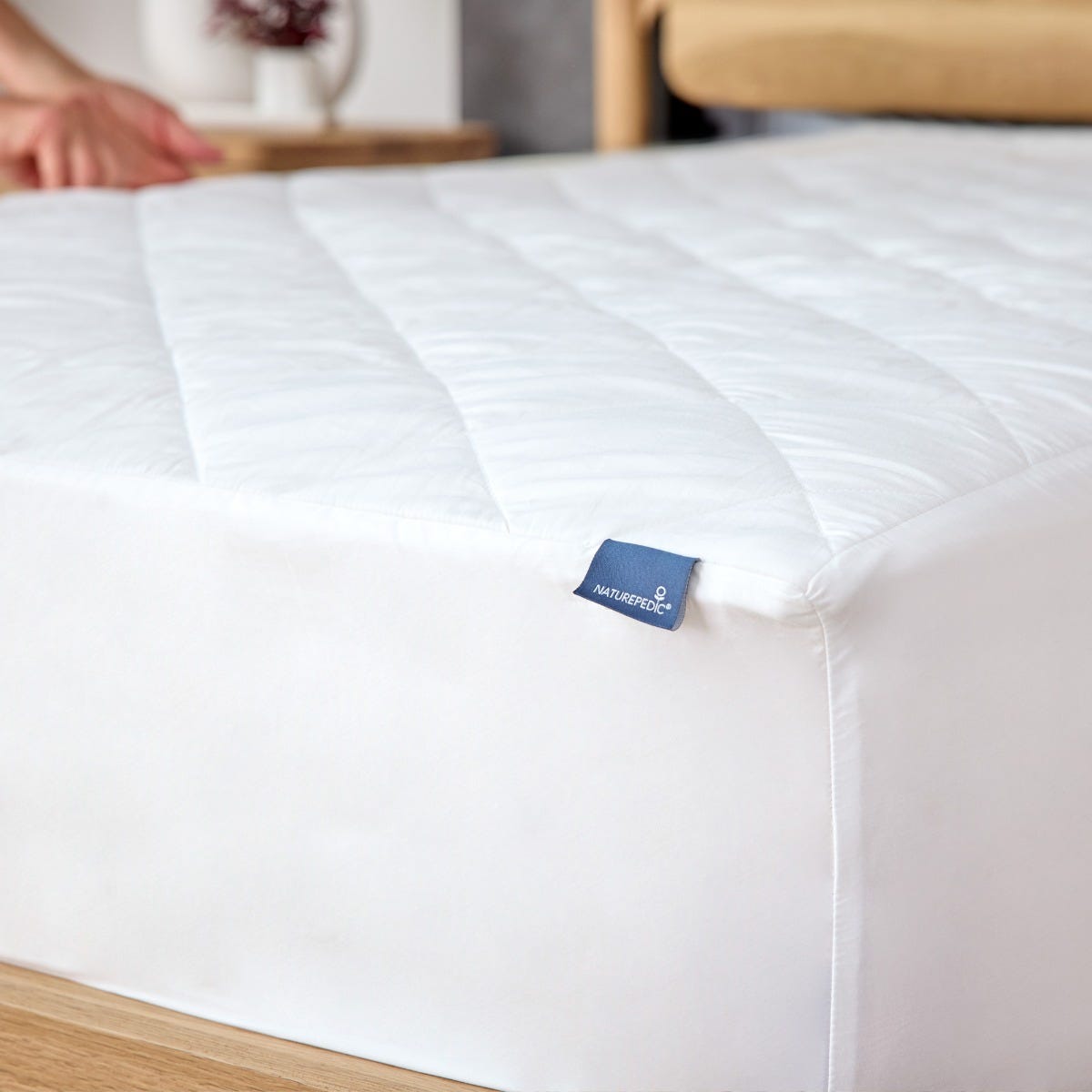
\A mattress protector acts as a barrier between you and your mattress, shielding it from sweat, spills, dirt, and other contaminants. \Many protectors are waterproof\ or water-resistant, helping to prevent mold, mildew, and staining. Some even feature breathable, sweat-wicking designs for extra comfort.\
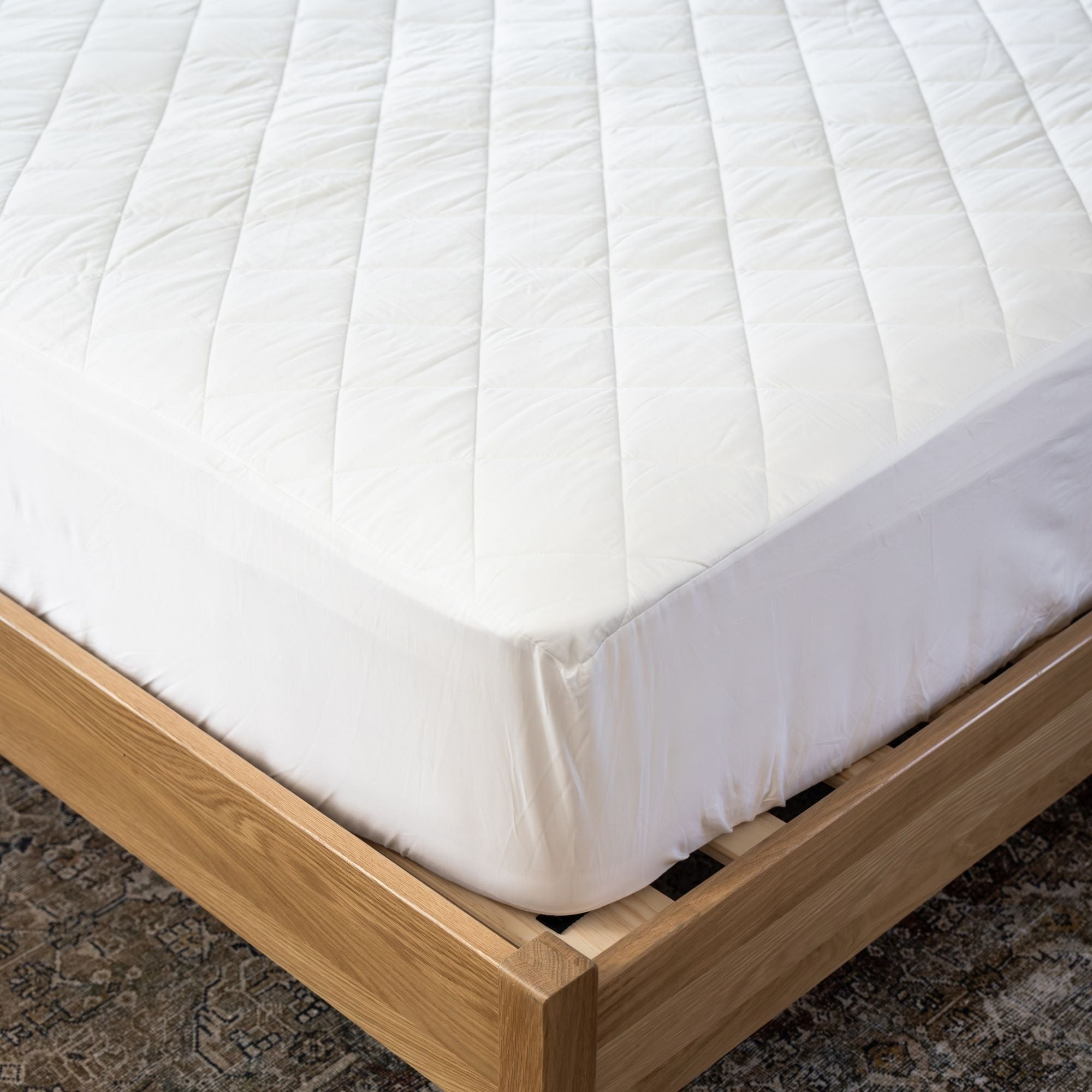
\While protectors keep your mattress safe and clean, most do not change the feel or firmness of your bed. \Quilted mattress protector pads\ may add a little cushioning, but nothing as drastic as a mattress topper. Think of them as essential maintenance rather than a comfort upgrade.\
\Who Should Use a Mattress Protector?\
\Short answer: everyone.\
\Even if you wash your sheets regularly, avoid eating in bed and keep pets off the covers, your body naturally sheds sweat, oils, and skin cells as you sleep. Over time, this buildup can make its way into your mattress, creating the perfect environment for bacteria and \allergens\.\
\While the popular claim that \mattresses double in weight after 10 years has been widely debunked\, experts agree that mattresses do gain weight over time thanks to accumulated dead skin cells, dust mites and their waste, moisture from sweat, and other debris.\
\Mattress protectors are especially crucial for:\
\-
\
- Babies and toddlers, who are more vulnerable to bacteria and moisture (and who are, frankly, messier!)\ \
- Those who \sleep with pets\ \ \
- Anyone prone to allergies, as they help block dust mites and pet dander\ \
- Those who want to \extend the life of their mattress\ investment\ \
Best Mattress Protector Materials\
\When choosing a mattress protector, the right materials make all the difference, not just for performance, but for your health (and that of the planet!).\
\) \
\\Certified organic cotton\ is a popular choice for its softness, breathability, and cleaner production processes. Some organic protectors also include waterproof barriers to help block liquids while still allowing water vapor to pass through, reducing overheating and clamminess. If you're choosing a waterproof option, you should avoid toxic waterproofing materials like vinyl/PVC, and phthalates that can off-gas chemicals and affect your home's \indoor air quality\.\
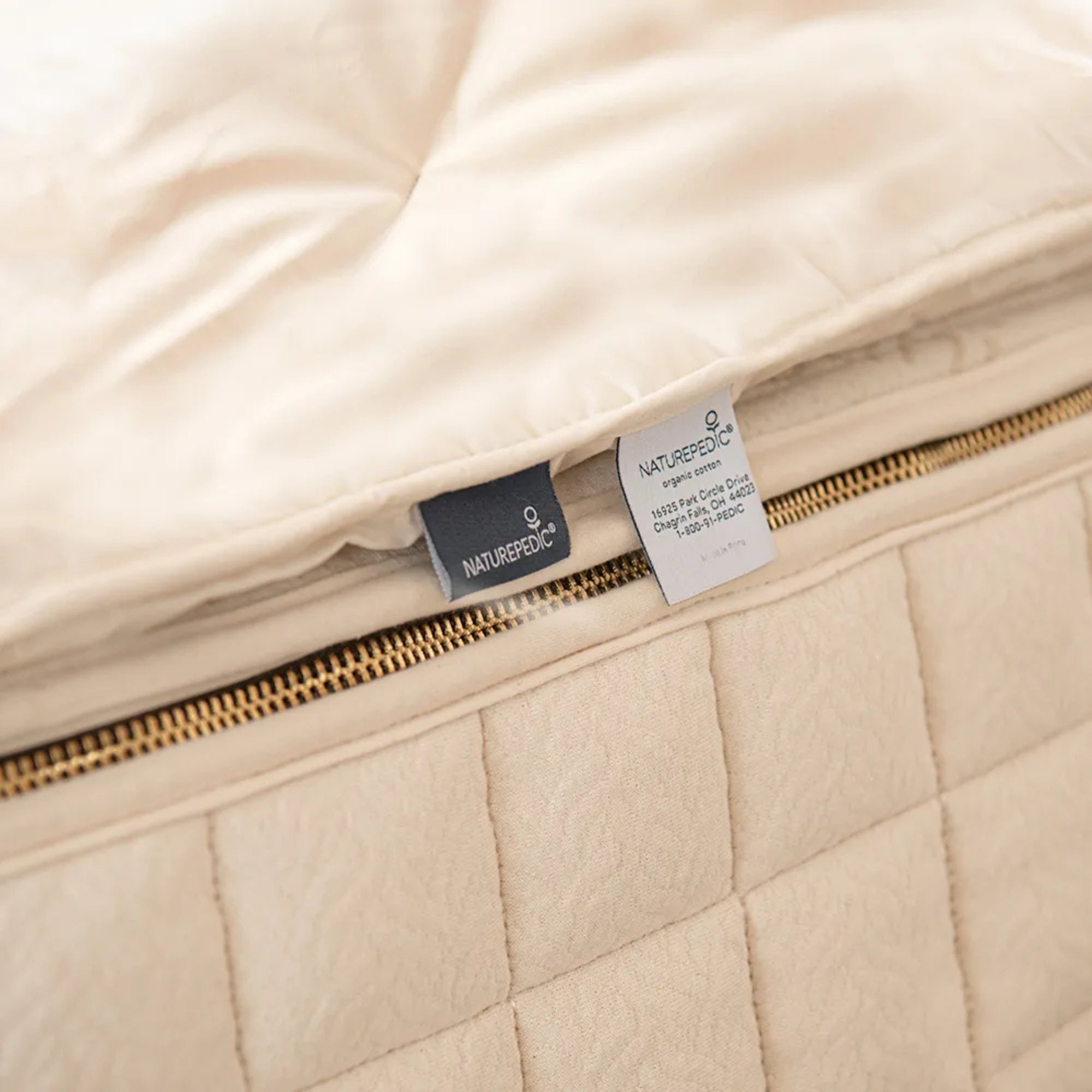
\If you’re considering a waterproof option, look for a barrier made from materials that meet rigorous health and environmental standards, such as \GOTS (Global Organic Textile Standard)\ and \MADE SAFE®\. These certifications help ensure the product \avoids harmful chemicals\ and supports \more responsible manufacturing\.\
\What Is a Mattress Topper?\
\While mattress protectors focus on \keeping your bed clean\, mattress toppers are all about comfort.\
\) \
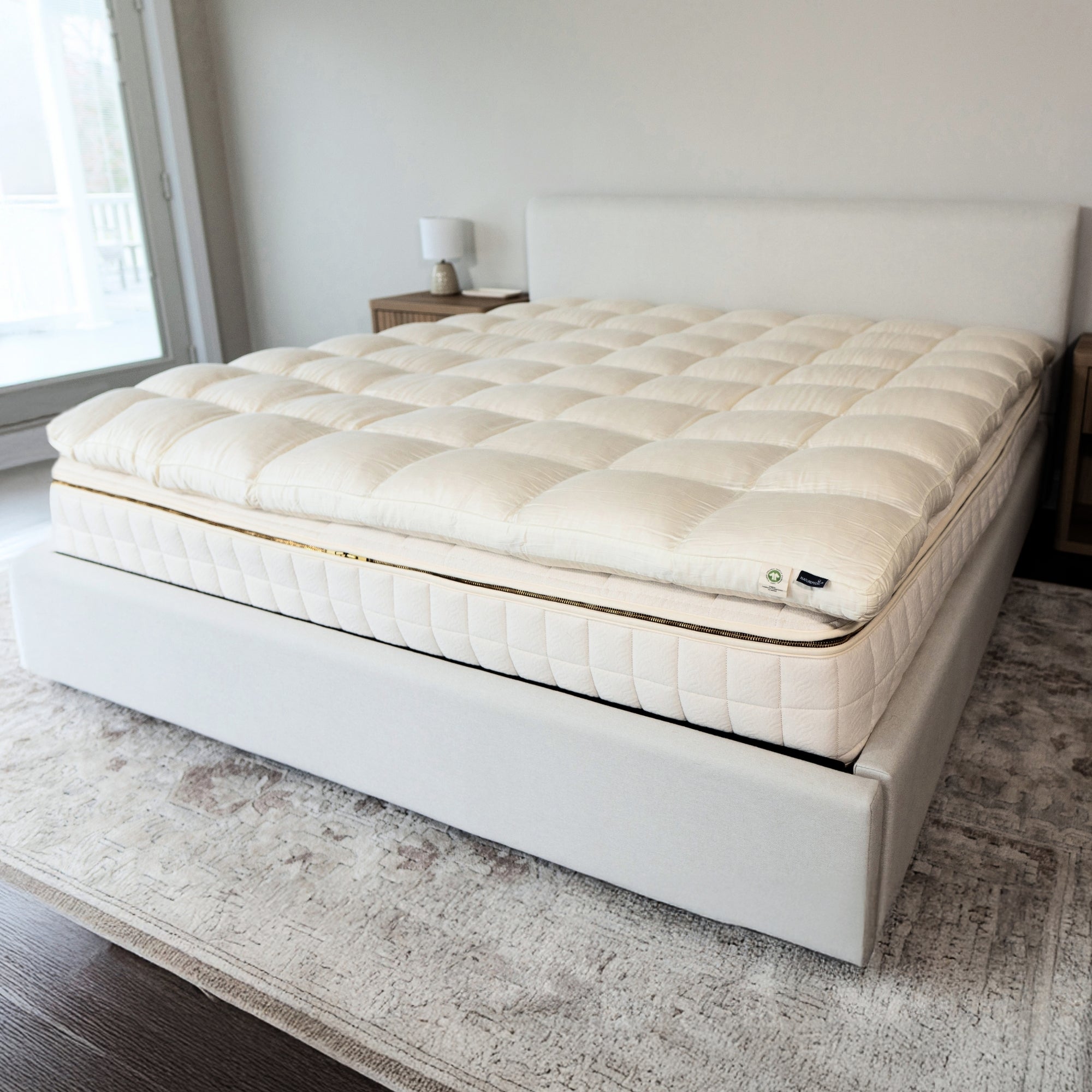
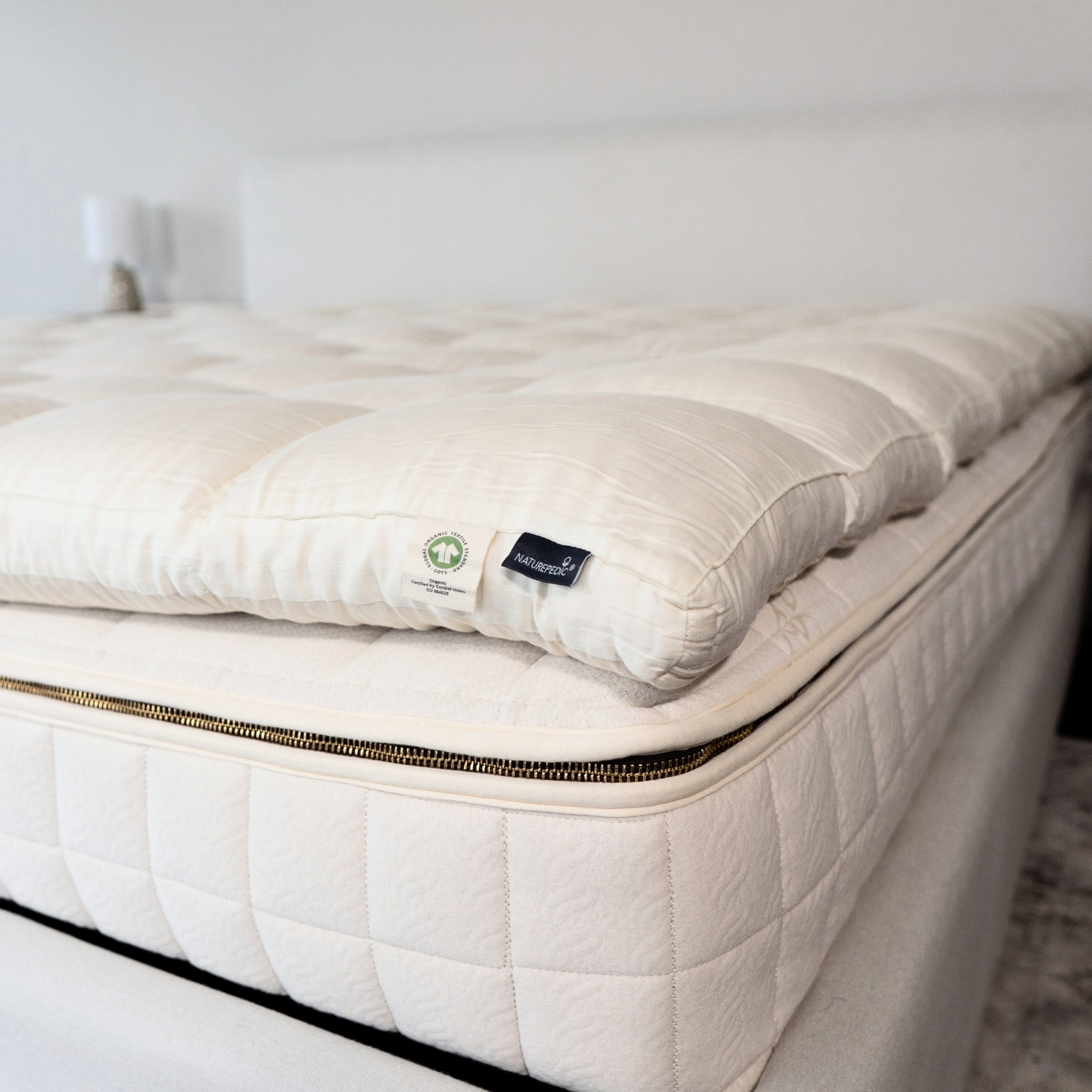
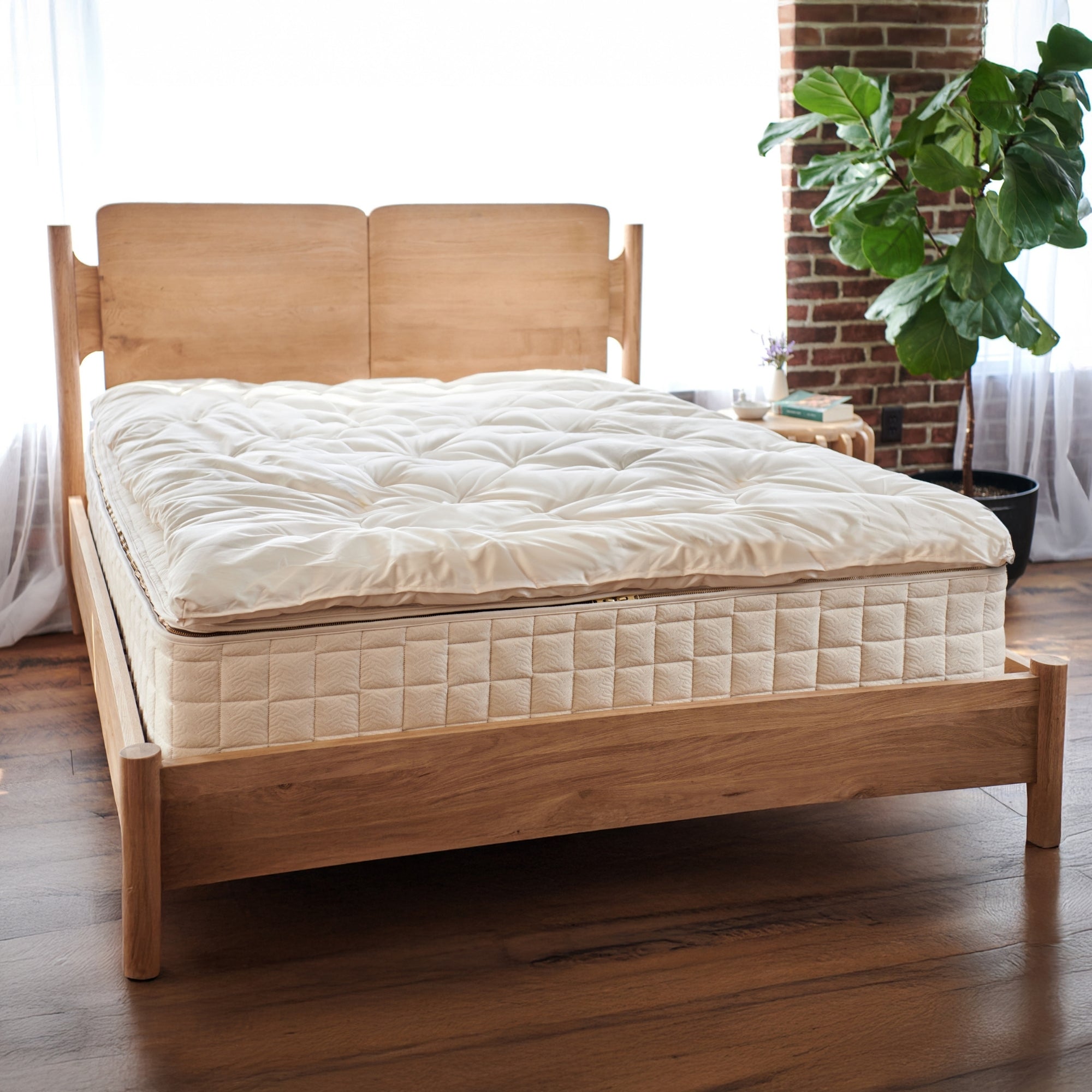
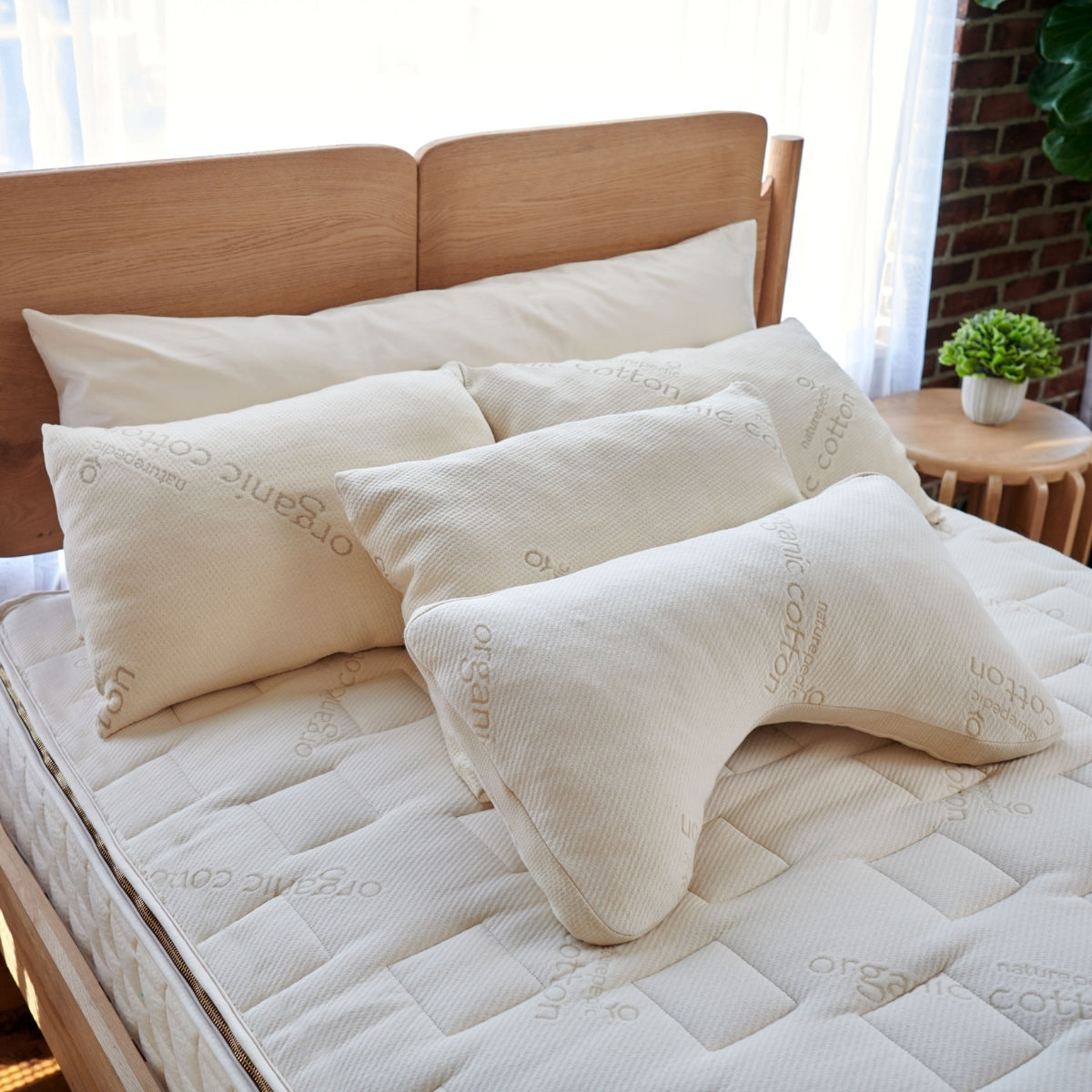
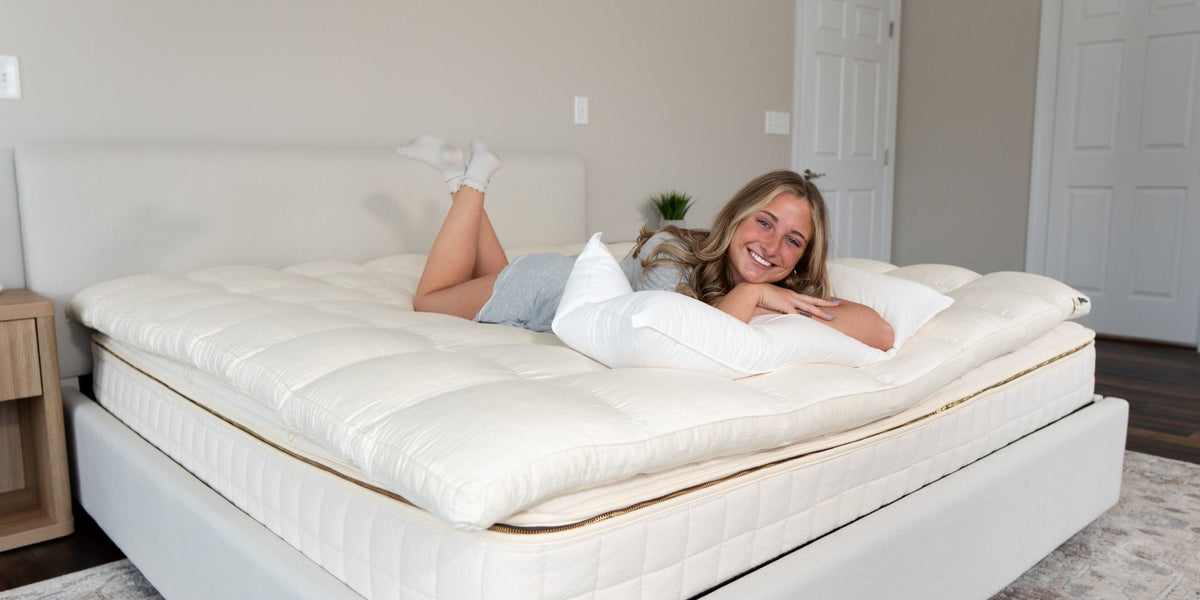
\A mattress topper is an extra layer — usually a few inches thick — that sits on top of your mattress to adjust its feel.\
\Depending on the material, a topper can make your bed softer, plusher, or sometimes even slightly firmer. They’re a great choice if you aren’t \ready to replace your mattress\ but want to tweak its comfort level.\
\Who Should Use a Mattress Topper?\
\Mattress toppers can benefit almost anyone looking for a comfort boost, but they aren’t for everyone. They can be especially helpful for:\
\-
\
- Adults who want more pressure relief on shoulders or hips.\ \
- Adults who are experiencing \back pain\ (and have talked to their physician about adding a topper)\ \
- Teens heading off to college who might face an overly firm dorm mattress.\ \
- Anyone experiencing temporary discomfort and looking for a simple, less expensive upgrade.\ \
However, mattress toppers are not recommended for infants, toddlers, or young children. Growing bodies require firm, flat sleep surfaces to support safe sleep and proper development. It’s also important to remember that a topper isn’t a magic fix for an old, sagging mattress. While it might add some temporary comfort, it can’t restore proper support if your mattress is worn out.\
\Cooling Mattress Toppers: Helpful or Hype?\
\You may have seen “cooling” toppers marketed as a solution for hot sleepers. While the idea sounds appealing, especially if you're a \hot sleeper\, it’s important to look at the underlying materials rather than rely on added “cooling” treatments. Many conventional foams, such as memory foam, tend to trap heat. So, when you buy a "cooling" memory foam topper, whatever chemical "cooling technology" it has is just balancing out the problem created by the memory foam itself. In contrast, natural materials like organic latex, cotton, and wool are naturally breathable and help regulate temperature without the need for extra chemicals or coatings.\
\Choosing the Right Materials\
\Just like with protectors, material matters when it comes to toppers. \
\) \
\Options like certified organic latex and organic wool provide natural support and breathability without the need for petroleum-based foams or polyester fills. Latex toppers can offer contouring support and help relieve pressure points, while wool toppers help you to regulate your body temperature by naturally wicking moisture. And if you're looking for a plush, pillowtop feel, a shredded latex topper or \featherbed topper\ is best!\
\Mattress Protectors vs. Mattress Toppers: Quick Comparison\
\Still not sure which option makes sense for you? Here’s a quick side-by-side look at how mattress protectors and mattress toppers stack up.\
\When it comes to a good night’s sleep, your mattress might get all the credit, but what you put on top can make just as big a difference.\
\The term "mattress pad" is often used as a catch-all for anything you add to a mattress. Hard-as-a-rock dorm bed? Throw a mattress pad on it! Sharing your bed with a new puppy? Better add a mattress pad to protect against accidents! But despite the casual nickname, mattress protectors and mattress toppers serve very different purposes, and knowing the differences can help you sleep cleaner or comfier — and better overall.\
\So, which one do you actually need? Or should you consider both? Let’s break down what each does, who they’re best for, and how they can help you sleep better.\
\Mattress Protector vs. Mattress Topper: \Key Points\ \
\-
\
- \Use a mattress protector\ to shield your mattress from spills, sweat, allergens, dirt, and everyday buildup.\ \
- \Use a mattress topper\ to change the comfort or feel of your bed by adding cushioning, pressure relief, or support.\ \
- \Protectors are recommended for nearly everyone,\ while toppers are best for adults and older children who need a comfort adjustment.\ \
- \A topper cannot fix a worn-out mattress,\ and it is not recommended for infants, toddlers, or young children.\ \
- \You can use both together\ to protect your mattress and customize your comfort.\ \
What Is a Mattress Protector Pad?\
\If you're looking to keep your mattress fresh and long-lasting, a mattress protector pad is your first line of defense.\
\A mattress protector acts as a barrier between you and your mattress, shielding it from sweat, spills, dirt, and other contaminants. \Many protectors are waterproof\ or water-resistant, helping to prevent mold, mildew, and staining. Some even feature breathable, sweat-wicking designs for extra comfort.\
\While protectors keep your mattress safe and clean, most do not change the feel or firmness of your bed. \Quilted mattress protector pads\ may add a little cushioning, but nothing as drastic as a mattress topper. Think of them as essential maintenance rather than a comfort upgrade.\
\\Who Should Use a Mattress Protector?\
\Short answer: everyone.\
\Even if you wash your sheets regularly, avoid eating in bed and keep pets off the covers, your body naturally sheds sweat, oils, and skin cells as you sleep. Over time, this buildup can make its way into your mattress, creating the perfect environment for bacteria and \allergens\.\
\While the popular claim that \mattresses double in weight after 10 years has been widely debunked\, experts agree that mattresses do gain weight over time thanks to accumulated dead skin cells, dust mites and their waste, moisture from sweat, and other debris.\
\Mattress protectors are especially crucial for:\
\-
\
- Babies and toddlers, who are more vulnerable to bacteria and moisture (and who are, frankly, messier!)\ \
- Those who \sleep with pets\ \ \
- Anyone prone to allergies, as they help block dust mites and pet dander\ \
- Those who want to \extend the life of their mattress\ investment\ \
\Best Mattress Protector Materials\
\When choosing a mattress protector, the right materials make all the difference, not just for performance, but for your health (and that of the planet!).\
\\Certified organic cotton\ is a popular choice for its softness, breathability, and cleaner production processes. Some organic protectors also include waterproof barriers to help block liquids while still allowing water vapor to pass through, reducing overheating and clamminess. If you're choosing a waterproof option, you should avoid toxic waterproofing materials like vinyl/PVC, and phthalates that can off-gas chemicals and affect your home's \indoor air quality\.\
\If you’re considering a waterproof option, look for a barrier made from materials that meet rigorous health and environmental standards, such as \GOTS (Global Organic Textile Standard)\ and \MADE SAFE®\. These certifications help ensure the product \avoids harmful chemicals\ and supports \more responsible manufacturing\.\
\What Is a Mattress Topper?\
\While mattress protectors focus on \keeping your bed clean\, mattress toppers are all about comfort. A mattress topper is an extra layer – usually a few inches thick – that sits on top of your mattress to adjust its feel.\
\Depending on the material, a topper can make your bed softer, plusher, or sometimes even slightly firmer. They’re a great choice if you aren’t \ready to replace your mattress\ but want to tweak its comfort level.\
\\Who Should Use a Mattress Topper?\
\Mattress toppers can benefit almost anyone looking for a comfort boost, but they aren’t for everyone. They can be especially helpful for:\
\-
\
- Adults who want more pressure relief on shoulders or hips.\ \
- Adults who are experiencing \back pain\ (and have talked to their physician about adding a topper)\ \
- Teens heading off to college who might face an overly firm dorm mattress.\ \
- Anyone experiencing temporary discomfort and looking for a simple, less expensive upgrade.\ \
However, mattress toppers are not recommended for infants, toddlers, or young children. Growing bodies require firm, flat sleep surfaces to support safe sleep and proper development. It’s also important to remember that a topper isn’t a magic fix for an old, sagging mattress. While it might add some temporary comfort, it can’t restore proper support if your mattress is worn out.\
\Cooling Mattress Toppers: Helpful or Hype?\
\You may have seen “cooling” toppers marketed as a solution for hot sleepers. While the idea sounds appealing, especially if you're a \hot sleeper\, it’s important to look at the underlying materials rather than rely on added “cooling” treatments. Many conventional foams, such as memory foam, tend to trap heat. So, when you buy a "cooling" memory foam topper, whatever chemical "cooling technology" it has is just balancing out the problem created by the memory foam itself. In contrast, natural materials like organic latex, cotton, and wool are naturally breathable and help regulate temperature without the need for extra chemicals or coatings.\
\Choosing the Right Materials\
\Just like with protectors, material matters when it comes to toppers. Options like certified organic latex and organic wool provide natural support and breathability without the need for petroleum-based foams or polyester fills. Latex toppers can offer contouring support and help relieve pressure points, while wool toppers help you to regulate your body temperature by naturally wicking moisture. And if you're looking for a plush, pillowtop feel, a shredded latex topper or \featherbed topper\ is best!\
\\Mattress Protectors vs. Mattress Toppers: Quick Comparison\
\Still not sure which option makes sense for you? Here’s a quick side-by-side look at how mattress protectors and mattress toppers stack up.\
\No matter which you choose (or if you decide to use both!), understanding their differences can help you create a cleaner, more comfortable, and healthier sleep space.\
\Layer Up: Your Bed, Your Way\
\By now, you know that mattress protectors and mattress toppers aren’t just interchangeable “pads.” They serve distinct purposes that can help you sleep cleaner, comfier, and healthier. A mattress protector is your best defense against spills, allergens, and everyday buildup, while a topper is your tool for fine-tuning comfort without committing to a whole new mattress. Armed with this knowledge, you can make a more informed choice about what your bed – and your body – truly need for better sleep.\
\\Have feedback on our story? \Contact us\ to let us know what you think or visit our \about us\ page to learn more!\\
\No matter which you choose (or if you decide to use both!), understanding their differences can help you create a cleaner, more comfortable, and healthier sleep space.\
\Layer Up: Your Bed, Your Way\
\By now, you know that mattress protectors and mattress toppers aren’t just interchangeable “pads.” They serve distinct purposes that can help you sleep cleaner, comfier, and healthier. A mattress protector is your best defense against spills, allergens, and everyday buildup, while a topper is your tool for fine-tuning comfort without committing to a whole new mattress. Armed with this knowledge, you can make a more informed choice about what your bed — and your body — truly need for better sleep.\
\\Have feedback on our story? \Contact us\ to let us know what you think or visit our \about us\ page to learn more!\\